

Risk Management
Over sixty years of managing risk
At NOLS, we embrace the physical and emotional challenge of the natural environment to attain our learning goals. We prioritize the well-being of all students and we are proud of our excellent record managing the risks of wilderness travel.

What is Risk Management
Real risk, real reward
Real risk offers the possibility of enormous reward. We believe exposure to real consequences allows for transformational learning that cannot happen in a contrived setting.
Wilderness adventure involves hazards: rock fall, quickly-flowing rivers, and steep terrain can pose a risk to even the most experienced outdoor leader. We cannot—nor can anyone—reduce that possibility to zero.
We accept risk, both physical and emotional, as an integral part of a NOLS education, but we do not seek risk for the sake of risk.
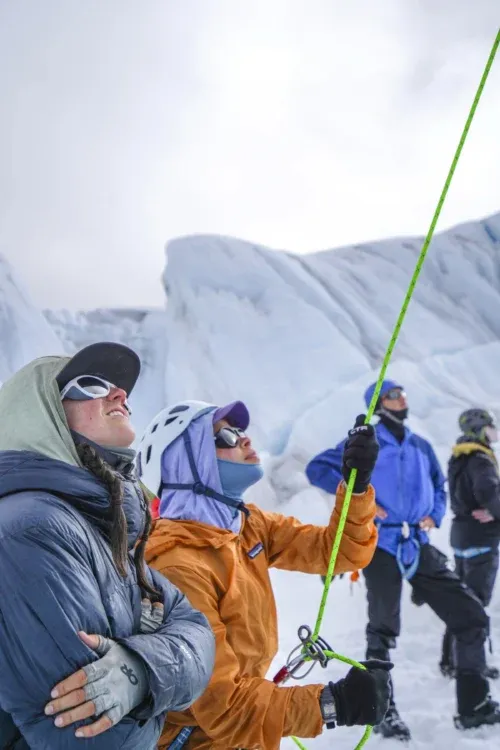
Our wilderness classrooms have no handrails, emergency situations can be complex and take time to resolve, and students on our courses must accept the fact that activities ranging from simple day hikes to climbing glaciers can, due to the unpredictable forces of nature or an error in judgment, become dangerous and potentially life-threatening.
Emergency Preparedness
What risk management looks like on a NOLS course
Risk management is taught and practiced on every course. Each student plays a real part in a course’s success.
Experienced Instructors
Our instructors have significant experience leading and managing risk in the backcountry. Unlike competitors, it's rare for us to hire someone who is still in college. The average age of a lead instructor at NOLS is 42 and the average number of weeks worked in the field is 89 (almost two years!).
Real Independence
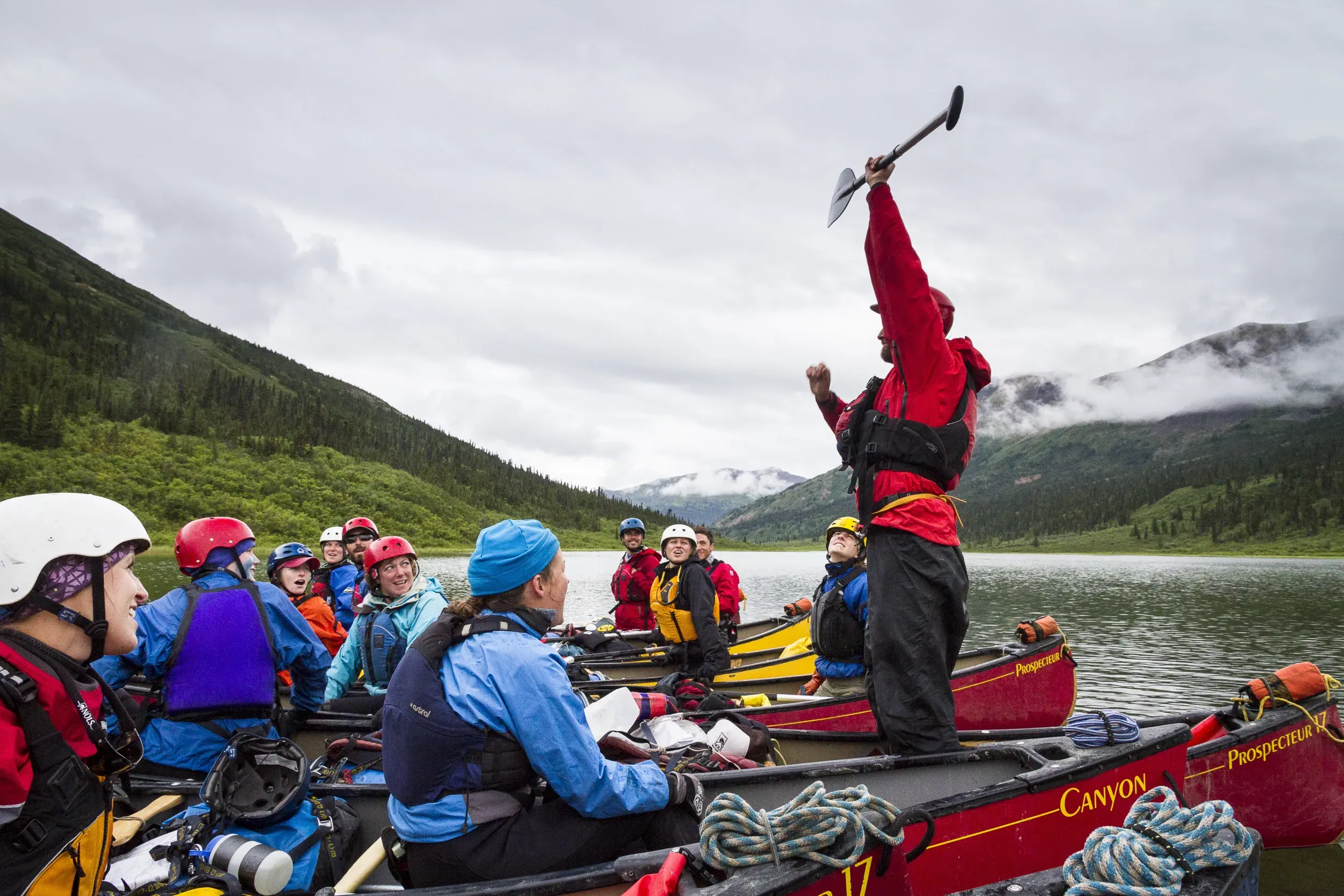
With instructor support and coaching, students are expected to carry their own gear, sleep in shared tents, cook their own meals, and demonstrate high levels of self-care in all conditions. Students are also unaccompanied at times, both in the field and in town before and after courses. On some expeditions, students may travel in small groups without an instructor for a day or more.
First Aid
Part of what makes our course areas so special is that they are remote in nature, meaning medical facilities can be days away. All NOLS instructors are trained Wilderness First Responders and are backed by comprehensive emergency response and evacuation systems.
Emergency Protocols
Instructors carry robust first aid kits and satellite telephones, radios, or other electronic communication devices on each course to use in the event of life-threatening emergencies.
Setting the standard
Every NOLS course carries some level of risk, as do all outdoor activities. We feel that the risks are manageable and that no organization is better equipped to manage them than NOLS.
We are a global leader in outdoor risk management, hosting the Wilderness Risk Management Conference every year in collaboration with outdoor industry professionals. We share expertise, role-model transparency, and build a culture of open dialogue regarding risk management in wilderness settings.
Practice it in the field
Ready to enroll?
Every NOLS expedition is built around the principles of Expedition Behavior. Find a course that fits your goals.