
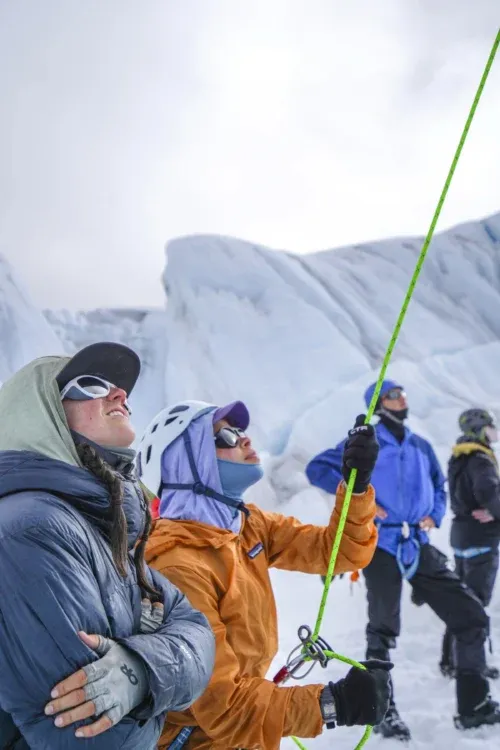

The Setting
You’re setting up camp at an established campground a few miles from town after a long day on your road bikes. Your companion was climbing a tree to set a line to keep food from bears. A branch snaps and he falls hard from about 15’ up, landing on his upper back. Before you think about it you find yourself kneeling at his head, controlling the cervical spine with your hands – a result of your Wilderness First Responder (WFR) course. You calm yourself, focus, and begin the patient assessment.
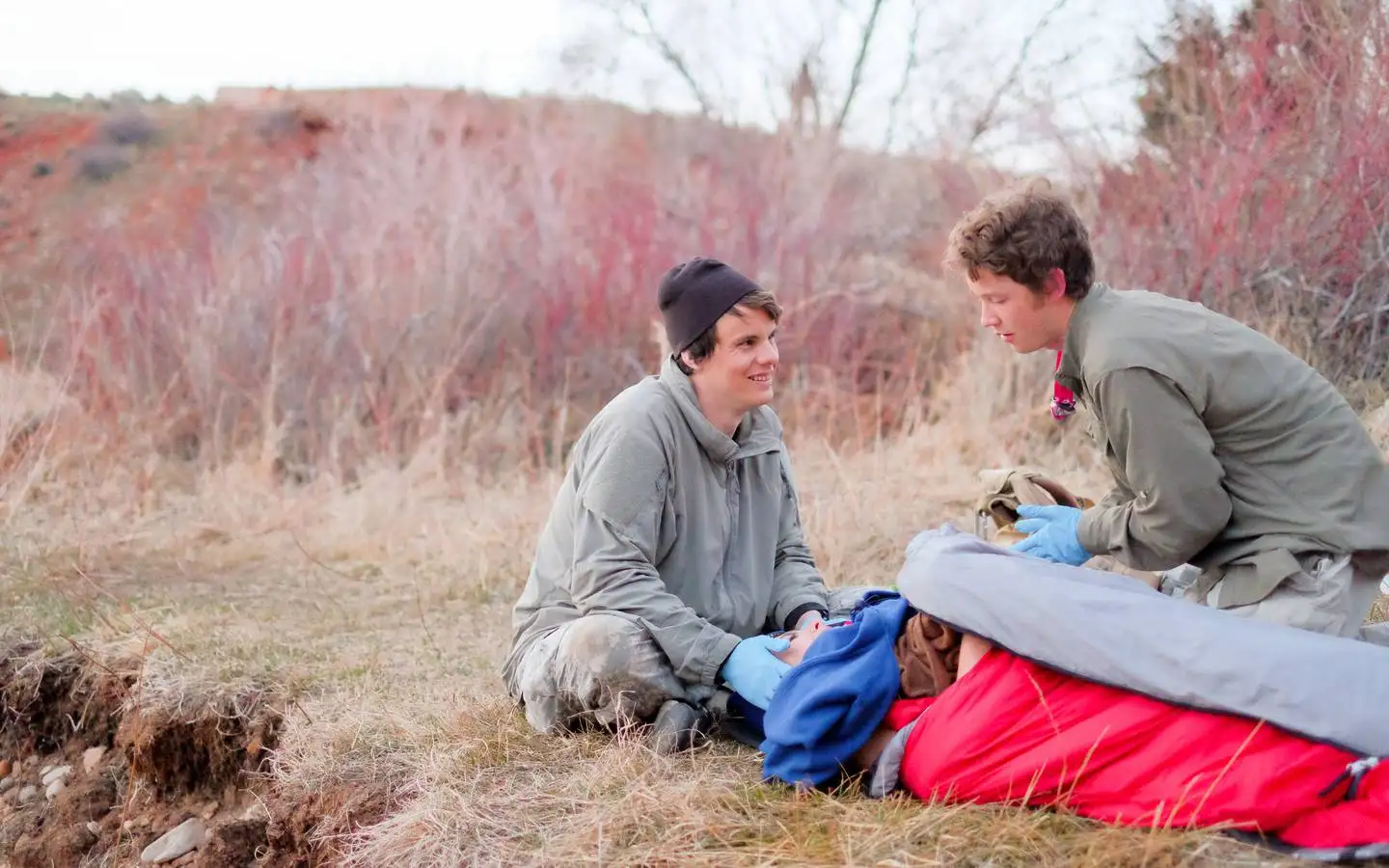
SOAP Report
Subjective/Story/Summary
The patient is a 30-year-old male who fell about 15’ out of a tree when a branch broke. He landed on his upper back. He did not lose responsiveness. He is complaining of right shoulder and upper back pain.
Objective
Patient Exam:
The patient was found on his back. He has no visible injuries. He is complaining of pain in his upper back on the spine and in the surrounding muscles. There is some tenderness around the spine right between the shoulder blades. CSM are good in all extremities.
Vital Signs
| TIME | 5:30PM |
| LOR | A+Ox4 |
| HR | 76, strong, regular |
| RR | 18, regular, easy |
| SCTM | pink, warm, dry |
| B.P. | radial pulse present |
| Pupils | equal and reactive |
| T° | not taken, states he is warm |
History
| Symptoms: | none |
| Allergies: | denies |
| Medications: | ibuprofen occasionally for muscle aches from exercise |
| Pertinent Hx: | none |
| Last in/out: | drank 4 liters of water today, urinated 2X with a normal BM |
| Events: | The fall from the tree was not caused by a fainting event. |
Stop...
What is your Assessment and Plan?
Take a few minutes to figure out your own assessment and make a plan.
Don’t cheat—no reading on without answering this first!
Assessment
- Possible spine injury; we have a mechanism as well as thoracic spine pain and tenderness.
The Plan
- Maintain spine immobilization: patient was log rolled onto a pad, we have an improvised cervical collar with a rolled up jacket and soft head blocks in place.
- 911 has been called and an ambulance is anticipated to arrive in 20 minutes.
Anticipated Problems
- If the ambulance does not arrive, we have to prepare patient for the night.
Comments
Although the patient is reliable, sober, not distracted, and has good CSM x4 they also have spine pain and tenderness and based on these findings, there was no reason to perform a focused spine assessment.
After a decade-long anticipatory phase of questioning the need for and merits of the spine immobilization protocols that have been standard urban EMS practices since the early 1970’s (backboard, hard cervical collar, and head blocks for even the suspicion of a spine mechanism of injury) the last few years has seen dramatic and rapid spread of new protocols.
The incentive for changing practice standards is the absence of studies showing spinal immobilization prevents further injury and the presence of studies that show that our spinal immobilization practices are possibly causing harm. We worried for decades that movement of an injured the spine would worsen the condition. There is no data to support this fear. Paranoia and rigid immobilization are making way for careful handling and comfortable patient packaging. Language is changing from spine immobilization to spine protection.
The new approaches to spine care are evolving and vary among services. Over time they will probably settle into a new set of standards. Highlights of the changes are:
Less reliance on cervical collars:
- The science shows that c-collars do not prevent all movement, they can interfere with airway procedures, and in some patients, they can raise intracranial pressure and worsen cervical spine deformities.
- Soft collars do not immobilize the cervical spine. They prevent some movement and remind the patient and the caregiver to be careful with the neck. Some ambulance services have abandoned hard in favor of soft collars.
- In a long-term care context the soft collar, which is what we improvise, works well.
Backboards are reverting to being the extrication tool that they were originally designed to be:
- Backboard immobilization is often unnecessary and causes back pain and pressure sores in patients.
- The modern evolving standard is to place the patient on their back on any firm surface: backboard, stokes, vacuum mattress, cot or, in our wilderness context, the ground. Patients may be transferred to a cot via the backboard, but the backboard is then removed. The Wilderness Medical Society and International Commission on Mountain Emergency Medicine list vacuum mattresses as their first choice for immobilization in remote environments. Strapping to limit motion is only necessary during carries.