Teen Gap Year Programs: Adventure-Based Options for Before College
The traditional path says: graduate high school, start college immediately, don’t look back. But a growing number of families and college admissions advisors are questioning this formula—and discovering that what looks like a detour often becomes the most valuable part of the journey.
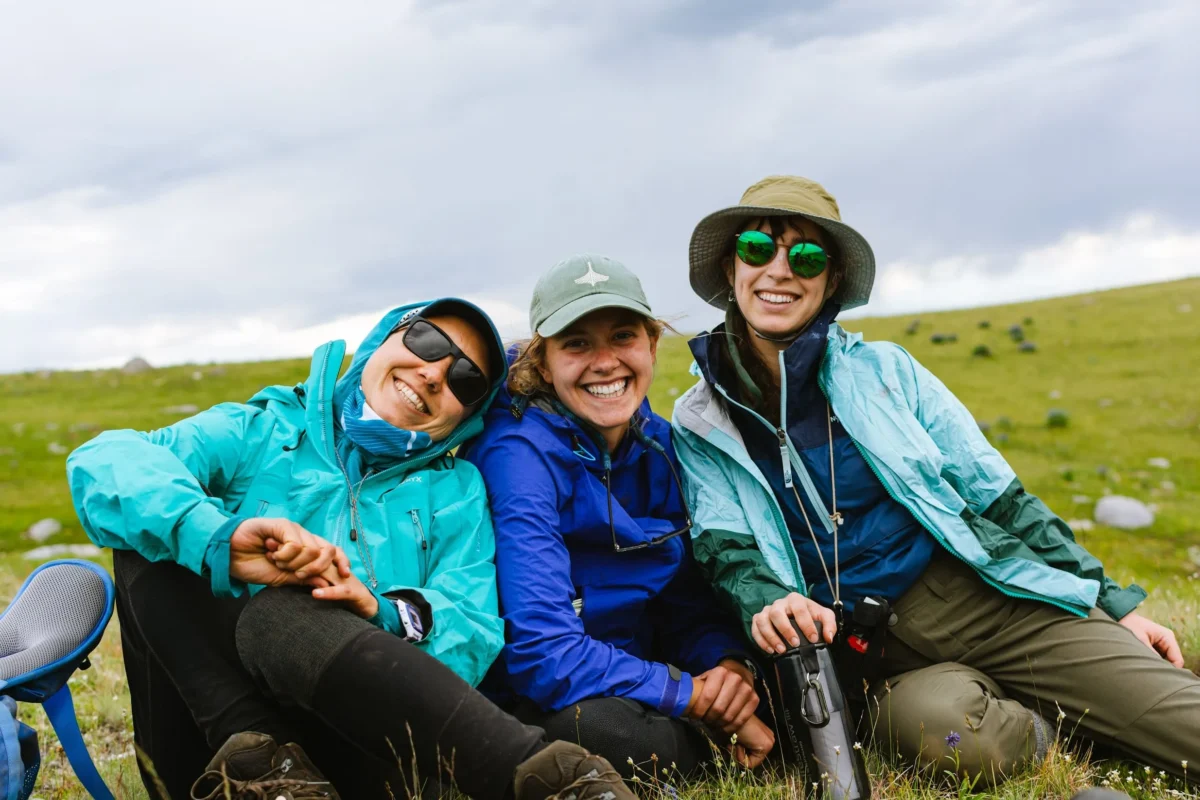
Gap year programs for teens have moved from the fringe to the mainstream, and for good reason. Research consistently shows that students who take intentional time between high school and college outperform their peers academically, professionally, and personally.
The question isn’t whether to consider a gap year. It’s how to make it count.
The Case for Taking Time Before College
Parents often worry that a gap year means losing momentum—that their teen will fall behind or lose the motivation to pursue higher education. The data tells a different story.
Academic Performance
Studies from institutions including Harvard, Princeton, and Middlebury show that gap year students earn higher GPAs than classmates who enrolled directly from high school. They’re more engaged in coursework, more likely to complete their degrees, and more satisfied with their college experience.
Why? Because they arrive with clarity about why they’re there and what they want to learn.
Maturity and Readiness
Many high school seniors aren’t ready for college independence—not because anything is wrong with them, but because they haven’t had experiences that develop adult capabilities. They’ve spent eighteen years in structured environments where adults made most decisions for them.
A well-designed gap year accelerates maturity. Students develop self-reliance, decision-making skills, and emotional regulation through real-world challenges rather than classroom theory.
Career Direction
Students who take gap years are significantly more likely to choose majors that align with their actual interests and to pursue careers related to their degrees. The exploration time helps them discover what genuinely motivates them before committing to expensive years of specialized education.
Mental Health
The transition from high school to college has become increasingly difficult. Counseling centers report record demand, and many students struggle with anxiety, depression, and adjustment issues.
Gap year students transition more smoothly. They’ve already practiced being away from home, managing uncertainty, and developing new relationships. College feels like the next step rather than a cliff edge.
What Makes a Gap Year Before College Transformative?
Not all gap years produce these benefits. A year of unfocused wandering or passive experience is unlikely to accelerate growth. The gap years that transform teens share specific characteristics.
Intentional Challenge
Growth happens at the edge of capability. Gap year programs that produce results push students beyond their comfort zones in structured ways—with appropriate support and increasingly difficult challenges as students develop.
This might mean physical challenge, interpersonal challenge, academic challenge, or all of the above. The key is that students consistently encounter situations that require them to stretch.
Real Responsibility
The best teen travel programs give students genuine responsibility—not simulated exercises or artificial scenarios, but real situations where their decisions matter and their contributions make a difference.
This might mean navigating in unfamiliar terrain, leading a group through a challenge, managing a budget with real money, or solving problems with real consequences. The responsibility develops capability in ways that observation cannot.
Reflective Practice
Experience without reflection becomes anecdote rather than learning. Transformative gap year programs build in structured time for students to process their experiences, identify patterns, and connect insights to future intentions.
This reflection might happen through journaling, group discussions, mentor conversations, or formal debriefing processes. The format matters less than the consistent practice of making meaning from experience.
Duration
Weekend workshops and week-long programs have value, but deep transformation requires extended engagement. The gap year programs that produce lasting change typically involve commitments of at least several weeks—and often several months.
This duration allows students to move through the initial adjustment phase, build genuine competence, and integrate new capabilities into their identity.
Adventure-Based Gap Year Programs: Why They Work
Among all gap year options, adventure-based programs consistently produce the strongest outcomes. Understanding why helps explain what to look for in any program.
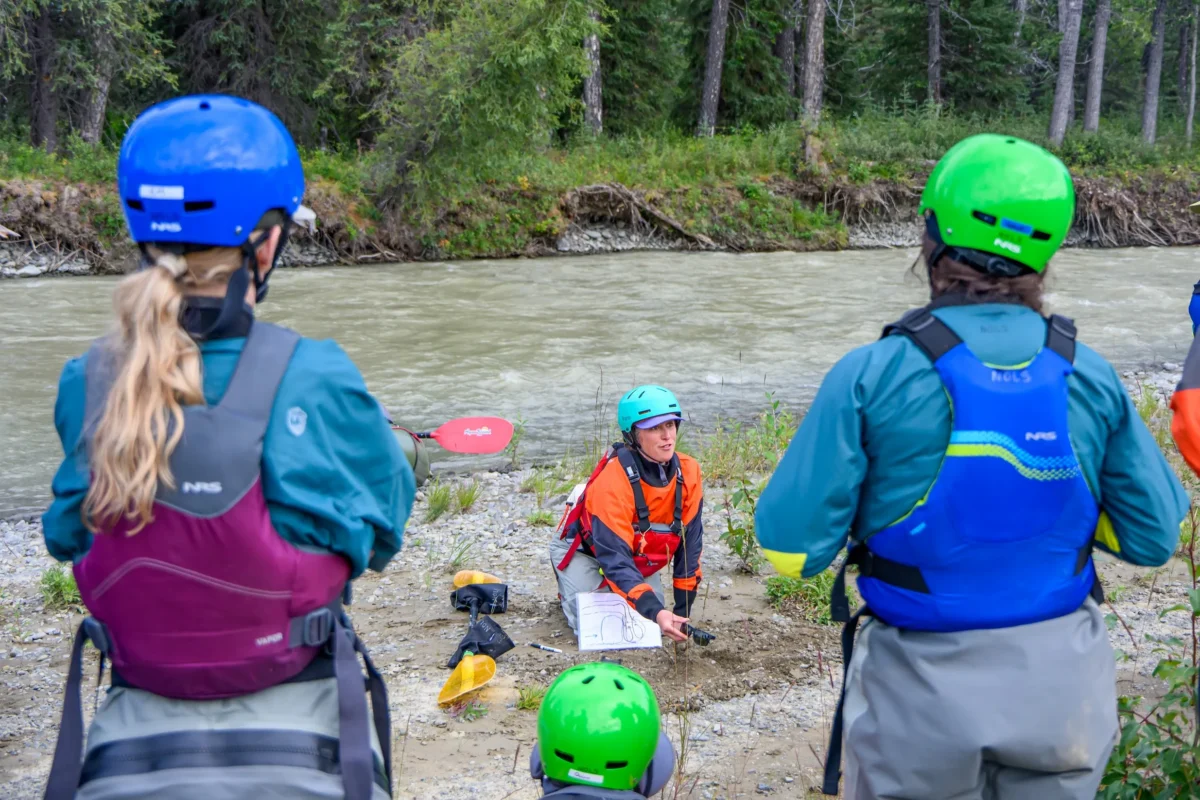
Authentic Environment
Adventure settings create genuine challenges that cannot be simplified or avoided. Weather, terrain, and physical demands don’t negotiate. This authenticity creates learning that classroom simulations cannot replicate.
When students succeed in adventure contexts, they know their success is real—not manufactured or artificially easy. This breeds genuine confidence.
Physical Foundation
Adventure programs engage the body, not just the mind. This physical engagement produces benefits that purely intellectual programs miss:
- Improved stress regulation
- Better sleep and physical health
- Increased energy and resilience
- Enhanced brain function for learning and memory
Natural Separation
Adventure takes students away from familiar environments, social media, and the distractions of ordinary life. This separation creates space for introspection and change that’s difficult to find while surrounded by old patterns and influences.
Community Formation
Adventure groups bond intensely. Shared challenge creates connection. Students form relationships based on authentic experience rather than social performance—often the first time they’ve experienced this kind of community.
These relationships frequently last for years, providing ongoing support and connection.
Best Trips for Teens Taking Gap Time
Different adventure formats suit different students. Consider your teen’s interests, growth areas, and readiness when evaluating options.
Extended Wilderness Expeditions
Extended backcountry travel—backpacking, mountaineering, sea kayaking, or river travel—provides the immersive challenge that produces transformation. Students live with a small group in remote settings for weeks at a time, developing self-reliance, important leadership skills, and interpersonal skills through daily experience.
Wilderness expeditions work particularly well for students who:
- Respond to physical challenge
- Need separation from technology and social media
- Want to develop practical self-reliance
- Are interested in environmental awareness
Check Out NOLS Extended Wilderness Expeditions for Teens:
- Summer Semester in the Rockies – 16 and 17 only
- Summer Semester in the Rockies – 17+
- Summer Semester in Alaska – 17+
- Rockies to Alaska – Extended Semester – 17+
Semester Abroad Programs
For students wanting deeper immersion, semester-length programs combine wilderness travel with academic study and extended skill development. These programs—typically 60-90 days—provide the duration for profound transformation while potentially earning academic credit.
Semester abroad options suit students who:
- Want substantial experience before college
- Are interested in cultural immersion
- Respond well to extended challenges
- Seek community and mentorship
Check Out NOLS Gap Semester Programs:
- Spring Semester in Baja or Fall Semester in Baja
- Spring Semester in East Africa or Fall Semester in East Africa
- Spring Semester in India or Fall Semester in India
- Spring Semester in New Zealand or Fall Semester in New Zealand
- Spring Semester in Patagonia or Fall Semester in Patagonia
- Spring Semester in the Rockies or Fall Semester in the Rockies
Multi-Expedition Programs
Some students benefit from experiencing multiple environments and challenges during their gap time. Programs that combine different expedition types offer a broad range of experiences.
Multi-expedition programs work for students who:
- Are uncertain about their specific interests
- Want maximum exposure to different challenges
- Have longer gap periods to fill
- Respond well to variety and novelty
Check Out NOLS Multi-Focus Teen Gap Year & Semester Programs:
- Spring Semester in the Rockies with WFR – 17+
- Fall Semester in the Rockies with WFR – 17+
- Alaska Backpacking and Sea Kayaking – 16 and 17 only
- Tanzania Cultural and Service Expedition – 16 and 17 only
Choosing the Right Gap Program
With hundreds of gap year and gap semester options available, finding the right fit requires thoughtful evaluation.
Organizational Credibility
Look for programs with established track records:
- How long has the organization operated?
- What accreditations do they hold?
- What is their safety record?
- Can they provide references from families with similar backgrounds?
Educational Philosophy
Is this organization primarily an adventure company or an educational institution? The distinction matters. Adventure companies provide experiences. Educational organizations design experiences for specific developmental outcomes.
Ask about:
- Learning objectives and curriculum
- Assessment and feedback processes
- Instructor qualifications and training
- Connection between program experience and future application
Fit with Your Teen
The best program in the world won’t work if it’s wrong for your particular teen. Consider:
- Physical readiness and health considerations
- Interests and motivation
- Social preferences and comfort
- Growth areas and developmental needs
Most strong programs offer consultation to help families assess fit. If you’re interested in a NOLS gap program for your teen, our program advisors would love to talk with you.
Making the Case for a Gap Year
If your teen is interested in a gap year but you’re uncertain, consider these points:
Colleges support gap years. Most selective institutions defer admission for accepted students who want to take gap time. Many actively encourage it.
The financial math often works. Students who arrive at college with clarity and motivation are less likely to change majors, take extra semesters, or drop out—all expensive mistakes that gap years help prevent.
The timing is right. The years between high school and the beginning of adult responsibility offer a unique window for adventure and exploration. Once careers, relationships, and other commitments accumulate, this kind of extended experience becomes much harder to arrange.
The outcomes are proven. Gap year research consistently shows benefits across academic, professional, and personal dimensions. This isn’t wishful thinking—it’s documented in peer-reviewed research.
Questions to Discuss with Your Teen
If you’re considering gap year options, explore these questions together:
- What do you want from the year between high school and college?
- What kind of challenge appeals to you?
- What skills or capabilities would you like to develop?
- How much structure do you want, and how much independence?
- What concerns or fears do you have about taking this time?
The answers will help you evaluate options and find the right fit.
Ready to explore adventure-based gap year options? NOLS offers semester and year programs that combine wilderness expeditions with leadership development and academic credit. Connect with an admissions advisor to discuss how a gap year could transform your teen’s trajectory.
Topics: