

New Currents in Conservation
4 MIN READ
NOLS + University of Colorado + American Rivers Partnership

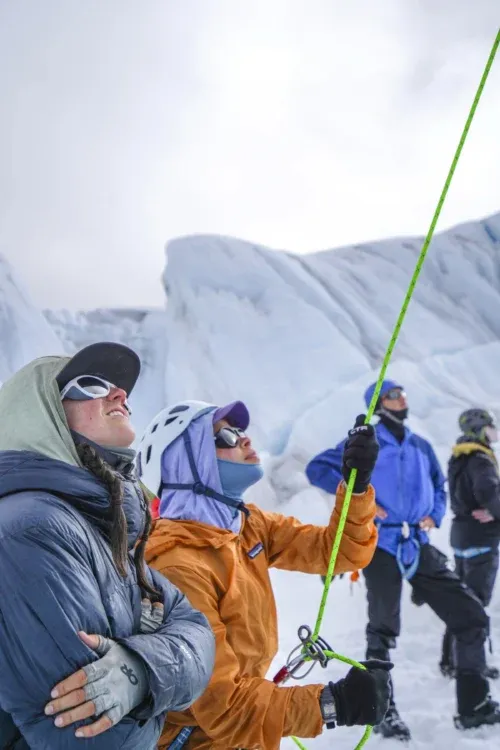
Students and instructors from the River Conservation Leadership Expedition pose in front of their rafts (all photos by Seth Webb)
SHARE:
SHARE:
November 17, 2025
This past summer, twelve University of Colorado Boulder students left the classroom for a week on Utah’s Green River. The River Conservation Leadership Expedition—organized by CU Boulder’s Center for Leadership in partnership with American Rivers and NOLS—combined backcountry training with lessons in environmental leadership.
Over the course of the trip, students practiced paddling and river safety skills, but the focus extended beyond technical training. Through daily leadership rotations and structured discussions, they examined how water rights, climate change, and Indigenous perspectives are shaping the future of conservation in the American West.

Seth Webb, academic director at CU’s Center for Leadership, said the goal was to prepare students for both the local and global challenges they will face in the decades ahead.
“Here in the drought-stricken American West, there is an imperative to combine leadership with sustainability,” Webb said. “We need to prepare students across industries and communities to lead in ways that the earth and its increasingly complex issues demand.”
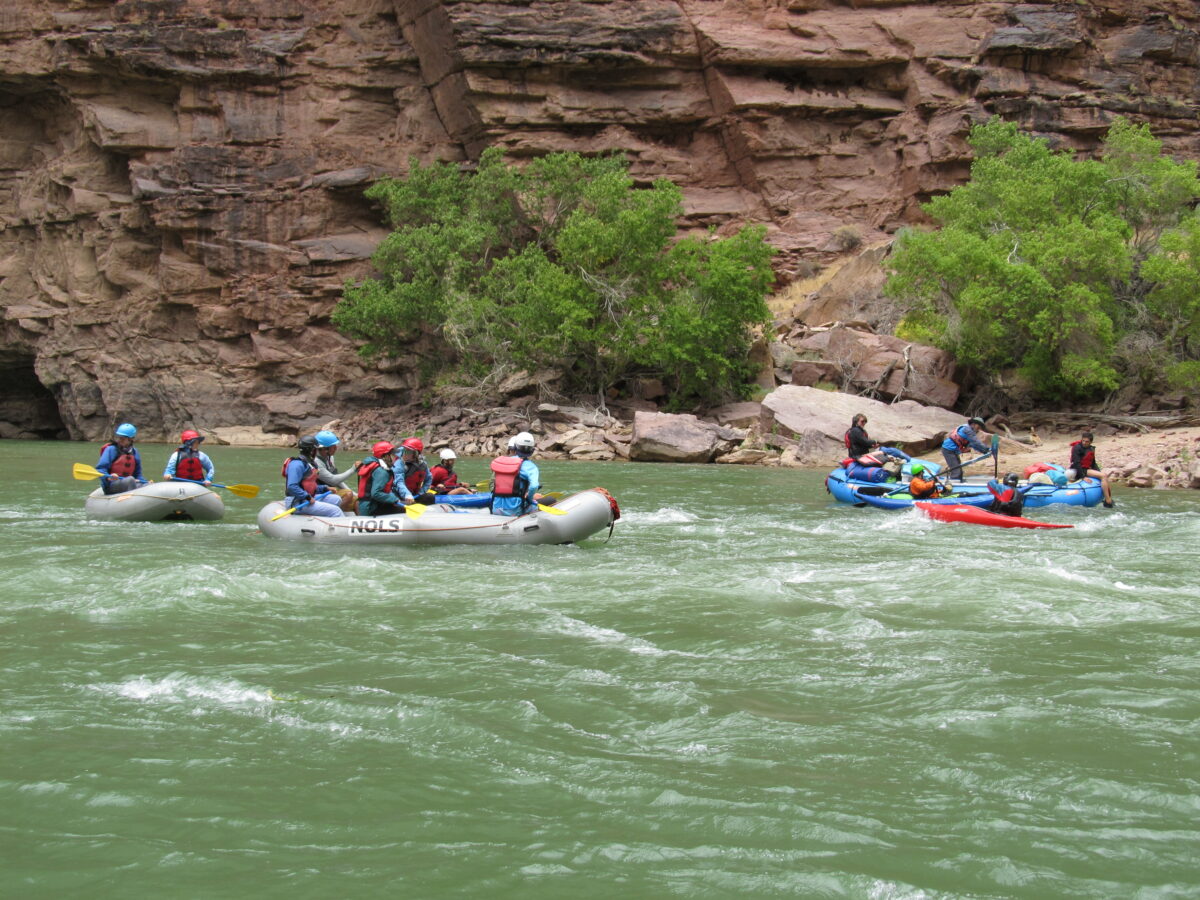
The Colorado River Basin provided a particularly poignant backdrop for that experience. Persistent drought and overuse have depleted its flows, placing stress on the river system that supports 40 million people and crucial food production. Webb said conducting the expedition on the Green River allowed students to see those pressures up close.
“Partnering with NOLS and utilizing the organization’s expertise is a natural way to encourage our students to understand themselves better—both as individual leaders and as members of a group, whether that’s in an expedition setting or beyond.”
Seth Webb, academic director at CU’s Center for Leadership
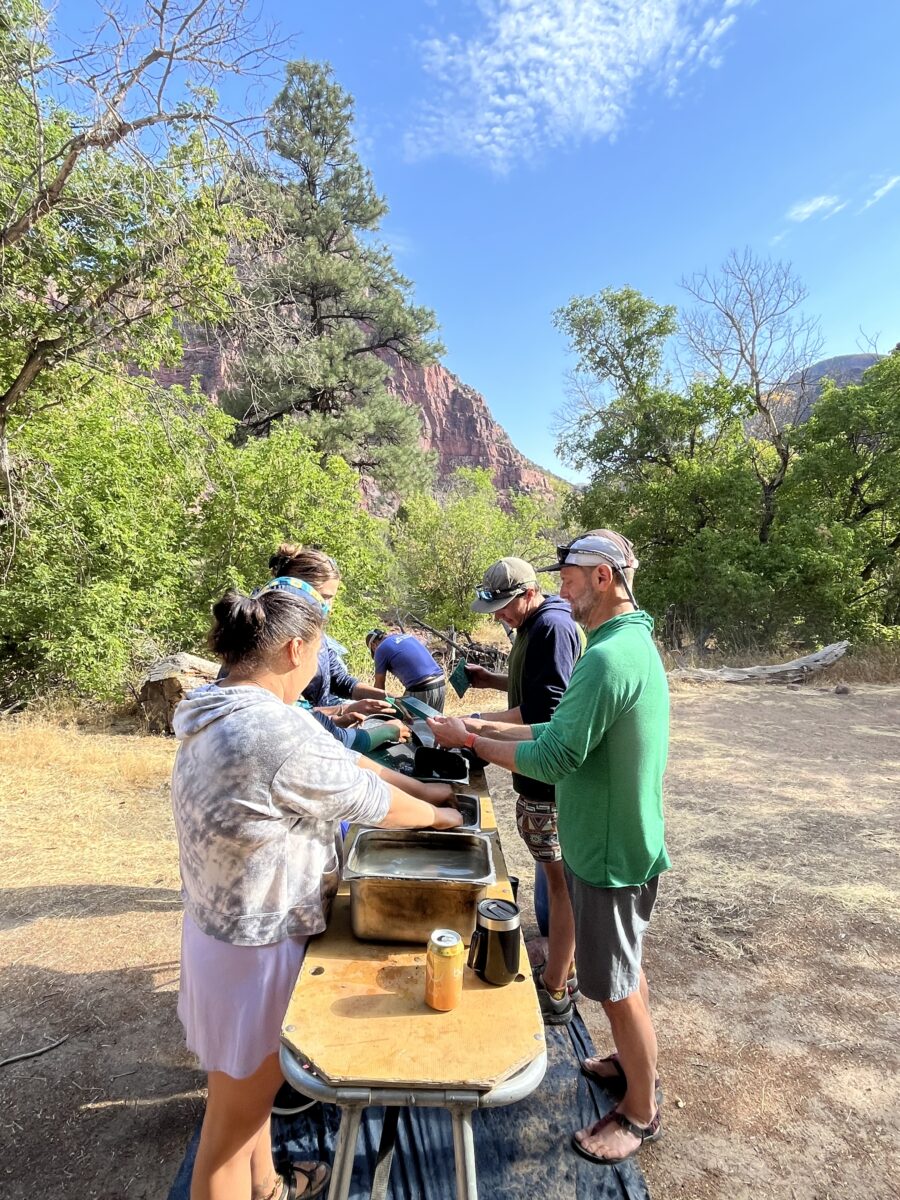
Working with NOLS and American Rivers added real depth to that experience, said Webb. NOLS brought its well-established leadership framework, which asks participants to rotate through roles as designated leaders, peer leaders, self-leaders, and active followers. Students managed decisions such as how to scout rapids, set up camp, and divide responsibilities. Meanwhile, staff from American Rivers connected the group’s experiences on the water to broader conservation challenges. Mike Fiebig, director of the group’s Southwest River Protection Program and a former NOLS instructor, joined the expedition.
“We sometimes forget that we all live in a watershed,” Fiebig said. “When we lose sight of that, it’s too easy to become disconnected from each other and ourselves. Courses like this connect the dots and show the interconnectedness of the future of our society, our economy, and our planet.”
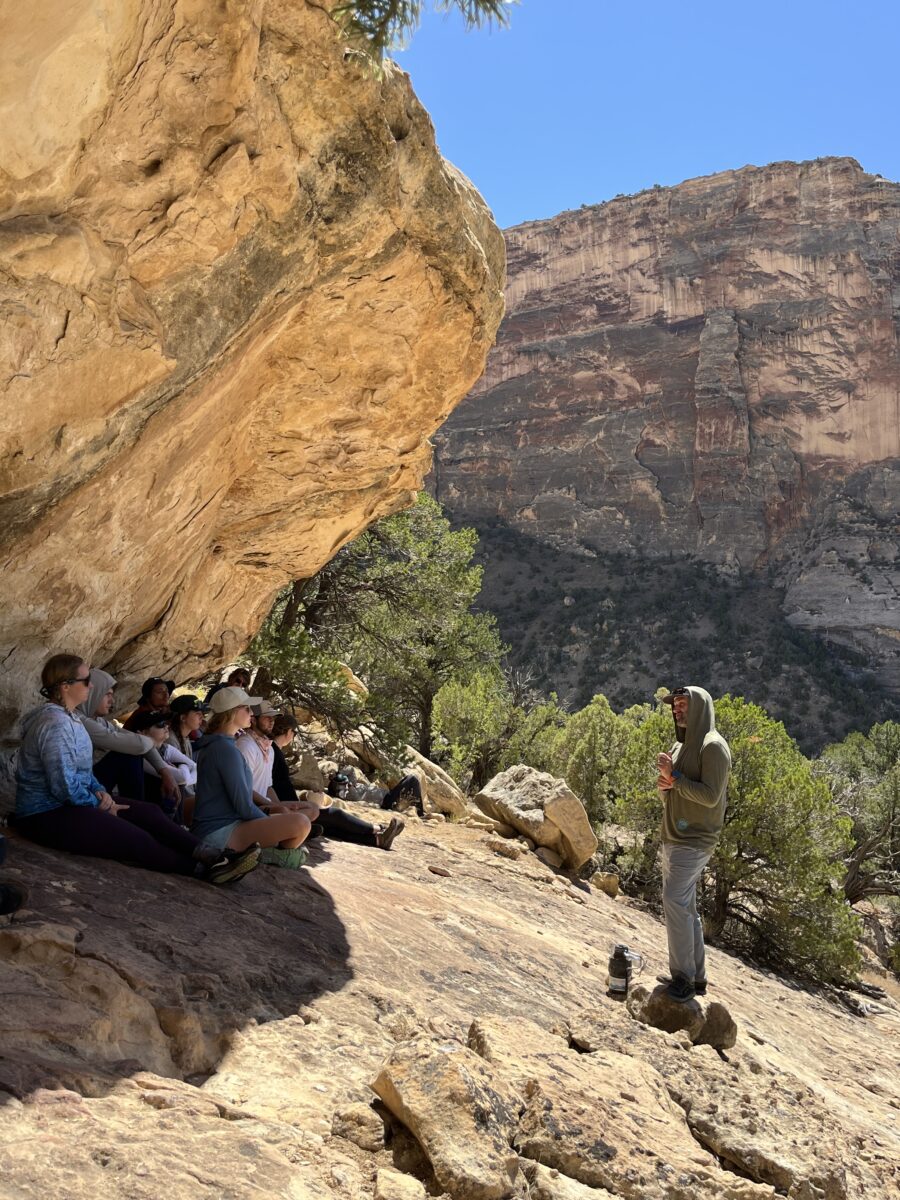
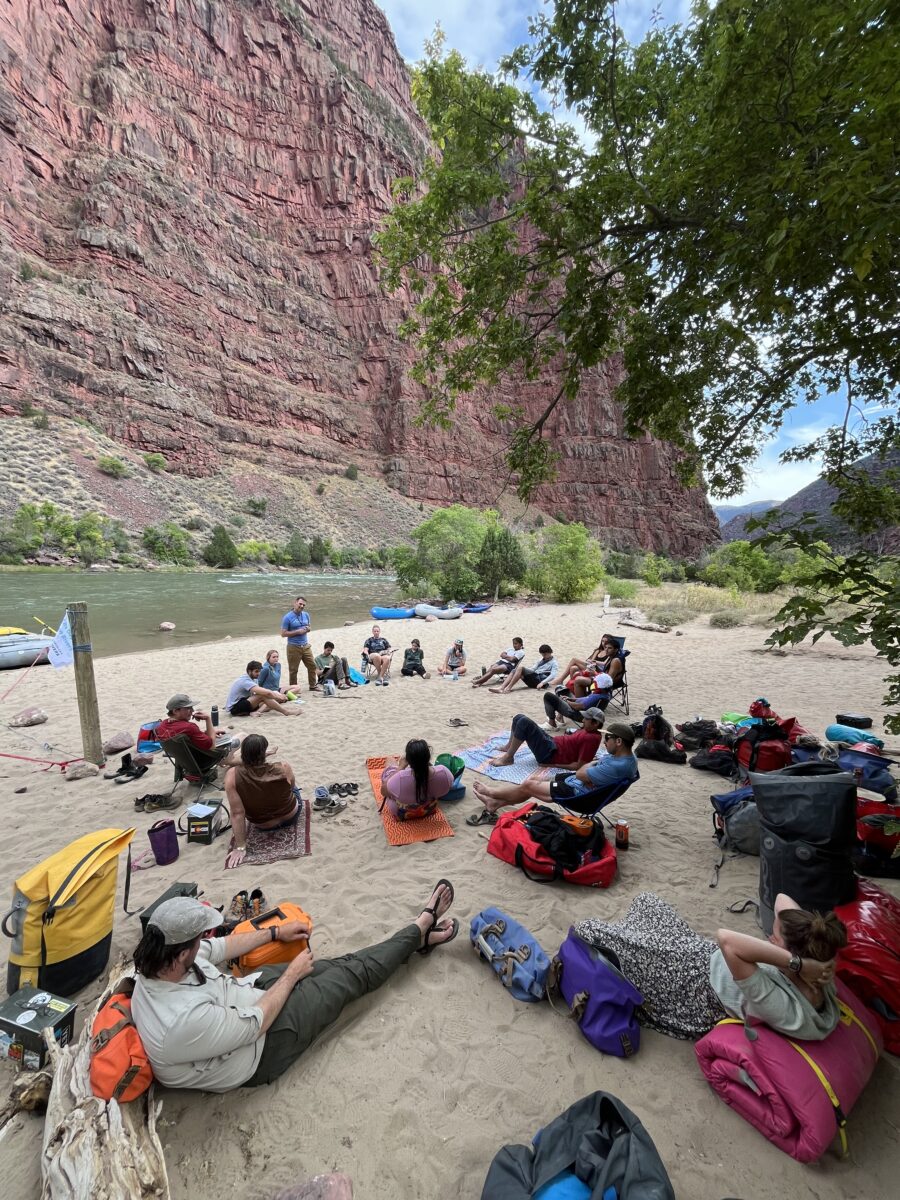
Each evening, the group gathered on the riverbank to discuss case studies and controversies: why certain dams were built or removed, what it means to restore free-flowing rivers, and how Indigenous knowledge can shape decision-making. Students also explored how best to adapt their leadership practices to address real-world environmental issues.
Corrina Schell, a senior studying Economics and Environmental Studies, said the expedition demonstrated just how connected contemporary questions of conservation and leadership are in the 21st century.
“With so much change happening in the world, leaders need to be flexible, have an open mind, and be ready to pivot,” she said. “Not only did we experience working and living together as a group, but we also learned how to accommodate change and adapt to any new circumstance. Those are going to be especially important skills for tomorrow’s leaders.”
Sign up to read the latest each week
Subscribe to the NOLS Newsletter
Related
NOLS Announces New Members of the Board of Trustees
The Next Call to Serve
NOLS Expands Course Credit Options Through New Central Wyoming College Partnership
Keeping Public Lands Public