Keeping Public Lands Public
3 MIN READ
NOLS joins partners across Wyoming to support legislation emphasizing access, local voices and the long-term stewardship of federal lands.
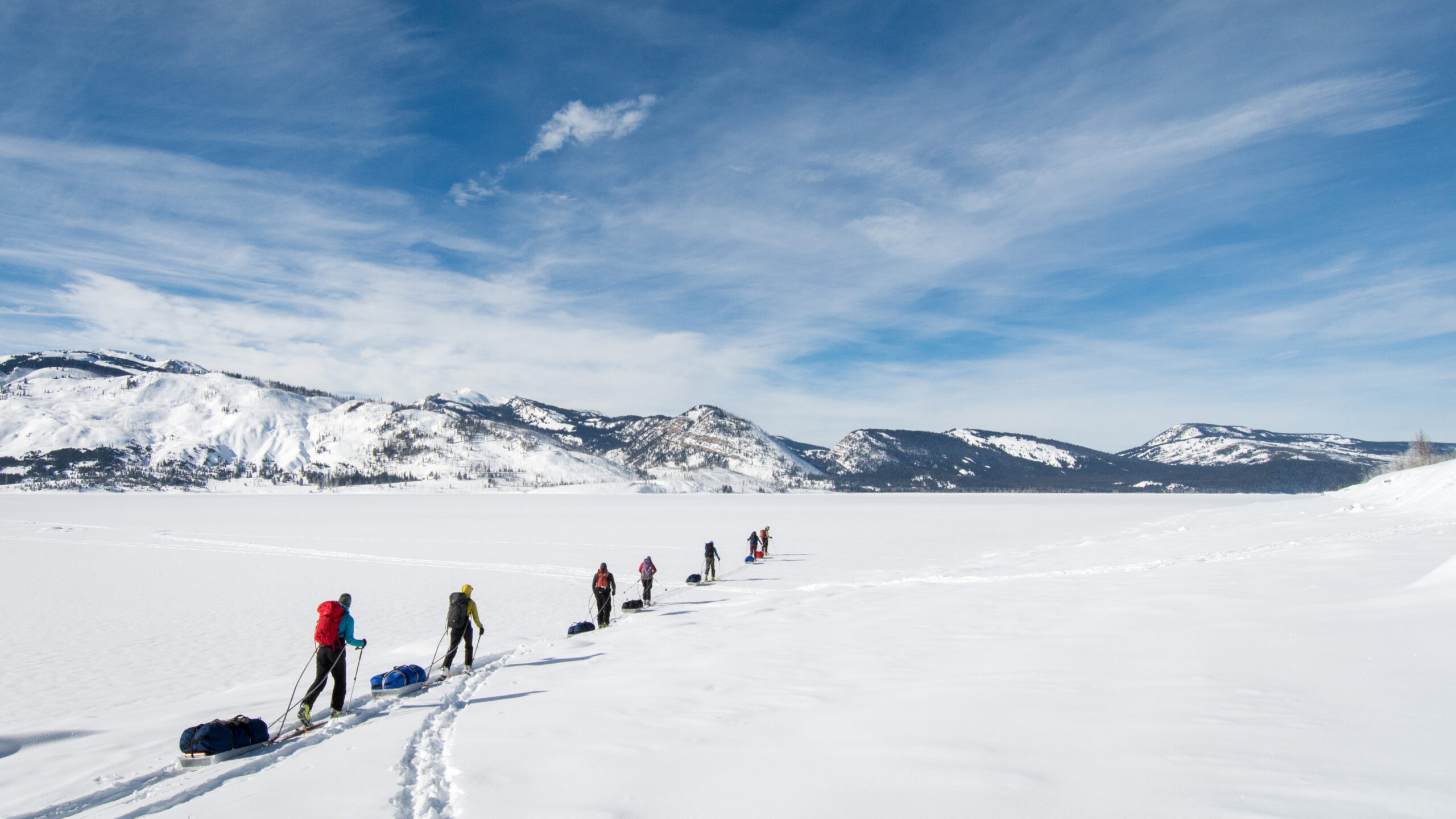
A NOLS course skis through Grand Teton National Park. Photo by Jared Steinman
SHARE:
SHARE:
March 13, 2026
Cheyenne, Wyo.—The Wyoming Legislature has overwhelmingly approved a measure urging Washington to respect existing land-management frameworks and local community voices when considering changes to federal public lands.
Entitled “Keeping Public Lands Protected and Decisions Local,” the resolution, which will be presented to the state congressional delegation as well as federal officials, affirms legislative support for keeping public lands in public ownership and for improving public access and benefits—issues closely tied to how organizations like NOLS operate in the wilderness.
“This joint resolution sends a clear message that Wyoming is strongly in support of keeping public lands in public hands,” said Andy Blair, John Gans Director of Public Policy.
Passage of the new legislation marks a notable change from prior public land debates, which sought to transfer federally administered lands to the state.
Blair said many Wyoming residents across the political spectrum had expressed concern that such a transfer would create a financial burden for the state. That burden could have forced the sale of parcels and limited public access. The new resolution takes the opposite approach by affirming support for maintaining federal public lands and emphasizing the role of local stakeholders in federal land-management decisions. It passed with strong bipartisan support.
NOLS participated in the legislative process by submitting written and verbal comments to both the House and Senate Travel, Recreation, Wildlife and Cultural Resources Committees.
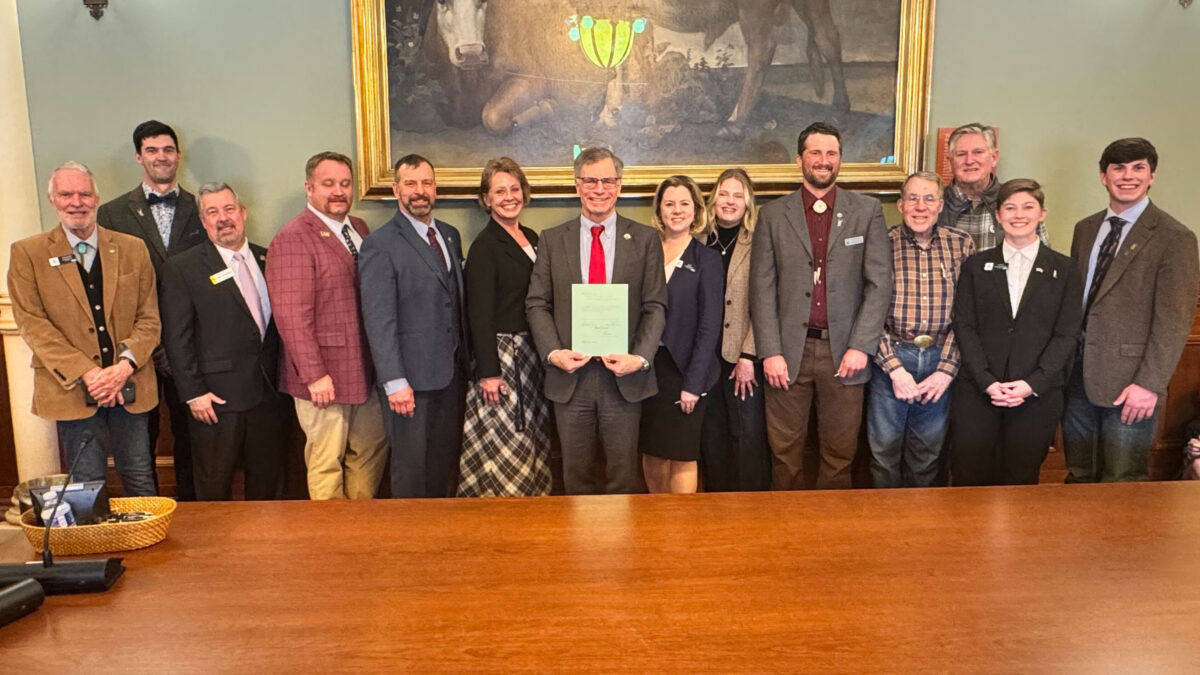
During the House hearing, committee Chairman Rep. Andrew Byron thanked Blair for his testimony and acknowledged the contributions NOLS has made in the state. A recent University of Wyoming economic impact study determined the school is among the top 1% of employers within the state, exceeds the state’s median per-employee income, and has an almost $19 million annual economic impact.
NOLS also supported the legislative effort through its involvement with Keep It Public Wyoming, a coalition of businesses, nonprofit organizations and individuals that advocates for keeping national public lands in public ownership.
Blair said the coalition worked with a broad bipartisan group of Wyoming residents and organizations to support the resolution.
Public lands are central to NOLS programs in Wyoming.
Since the school was founded in 1965, NOLS courses have relied on access to large, undeveloped landscapes where students can learn leadership, judgment and expedition skills through extended backcountry travel. NOLS is also the largest single backcountry permit holder in the United States.
Within Wyoming, NOLS courses operate on a range of public lands, including Bridger-Teton National Forest, Shoshone National Forest, Grand Teton National Park, Yellowstone National Park, Bighorn National Forest and Medicine Bow National Forest, as well as Bureau of Land Management areas and Sinks Canyon State Park.
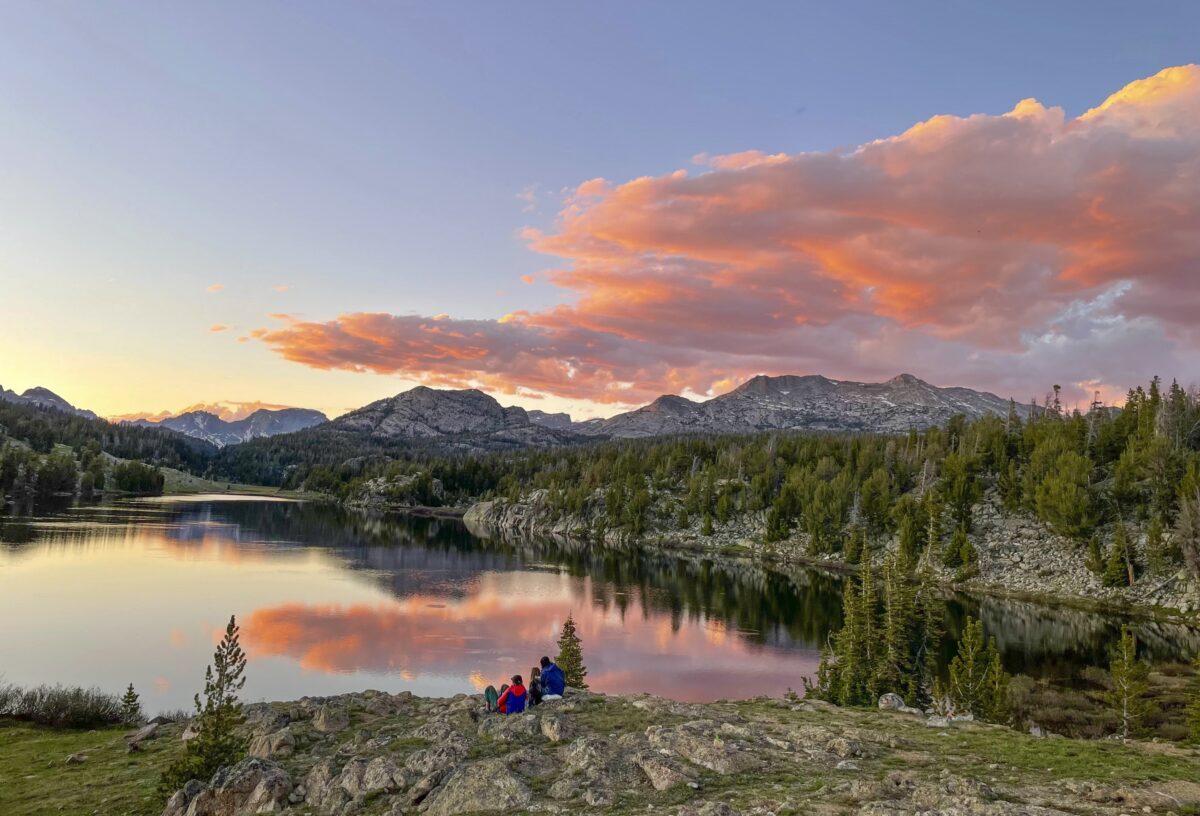
“To run our courses, NOLS depends on access to public lands,” Blair said.
In addition to access, the school also depends on federal land-management planning processes that allow organizations and local communities to participate in decisions about how public lands are managed. Those processes are supported by laws such as the National Environmental Policy Act, which requires environmental review and public input for major federal actions.
Maintaining both access and a reliable planning process is important for organizations like NOLS that operate courses on public land. Blair said the new legislative resolution offers reassurance to organizations and businesses that rely on access to public lands.
“This resolution helps communities have faith that public lands will be managed according to a reasonable, reliable planning process that is informed by local stakeholders,” Blair said. “Those lands remain essential for education, recreation and the broader outdoor economy.”
Sign up to read the latest each week
Subscribe to the NOLS Newsletter
Related

Big Air, Backcountry Roots
NOLS Appoints Molly Barnes as Interim Vice President for Wilderness Medicine
More Than Just Memories
Built for Steep