The Complete Guide to Summer Programs for Teens
Each summer between high school years is about 90 days. For most teens, the time passes quickly — and how it’s spent matters more than it might seem at the moment.
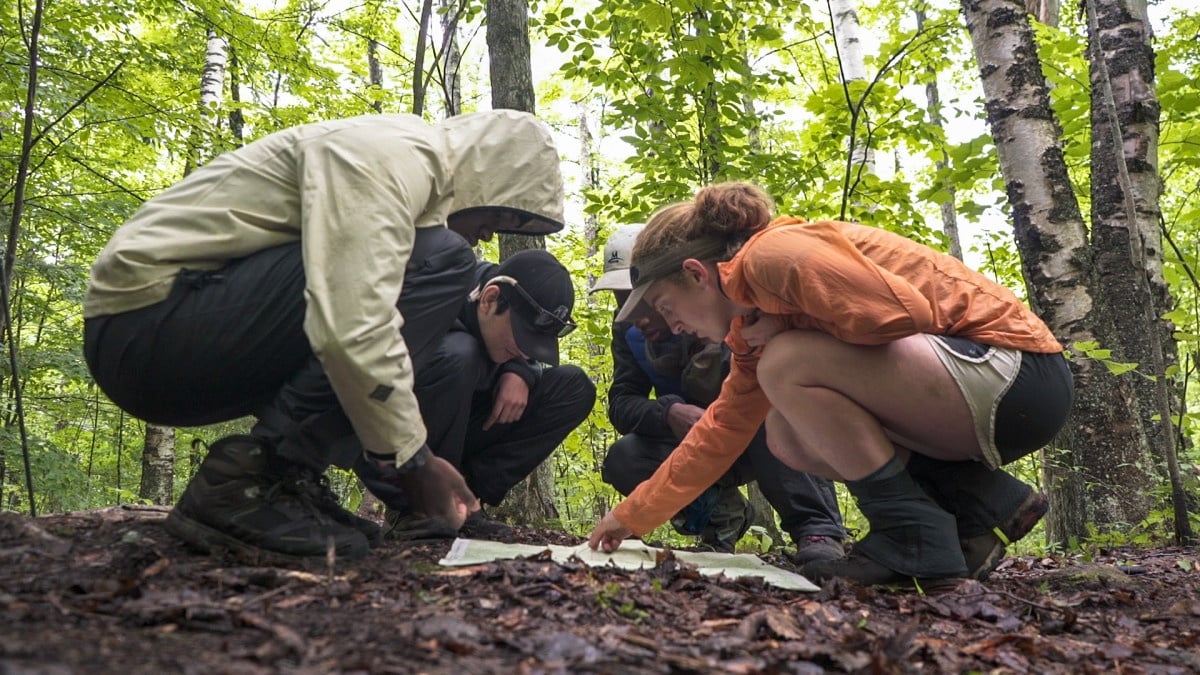
For parents thinking about how to help their teen get the most out of these months, a structured summer program is one of the most reliable ways to ensure that time adds up to something. Not every teen needs one, but the right one at the right moment can accelerate development that takes years to build in a classroom: the ability to make decisions under pressure, to lead a group through difficulty, to sit with discomfort and come out the other side more capable.
A meaningful summer doesn’t happen by accident. It takes the right environment, the right challenges, and instructors who know how and when to step back.
This guide breaks down what different program types actually teach, how to match a program to where your teen is right now, and what NOLS — 60 years into this work — has learned about what creates lasting growth in addition to a memorable two weeks.
Types of Summer Programs for Teens
Summer programs for teens fall into distinct categories, each with different structures, outcomes, and price points. The right category depends on where your teen is right now — their interests, readiness for independence, and what kind of growth matters most this summer.
Academic and Pre-College Programs
University-hosted programs where high school students take college-level courses, complete research projects, and experience campus life. Programs like these vary from two-week intensives to seven-week credit-bearing courses. These programs work well for teens who are academically motivated, interested in college preparation, and want to explore a specific subject area.
Most of the learning happens in a classroom, often on a campus that the student has already visited during a college tour. The environment is structured and supervised. For teens who want academic rigor and social exposure to college, this category delivers. For teens who need challenge beyond the intellectual, it often doesn’t.
Best for: Teens with a clear academic interest who want to test-drive a college environment, explore a specific field, or earn transferable credit.
Typical duration: 2–7 weeks | Cost range: $2,000–$8,000+
Wilderness and Outdoor Expedition Programs
Wilderness adventure programs take students into backcountry environments for multi-week expeditions where they learn to navigate, camp, cook, manage risk, practice and apply technical outdoor skills, and develop leadership through real responsibility.
The learning is experiential, cumulative, and happens outside any conventional classroom. Students carry their own weight (literally) and make decisions that affect the group daily.
The outcomes from wilderness programs tend to be applicable beyond your teen’s time in the program: technical outdoor skills, leadership capability, problem-solving under pressure, and self-awareness from extended time without screens and social distractions.
Parents frequently report that teens return home more independent, more reflective, and more capable.
NOLS Teen Expeditions are the benchmark in this category: 14- to 30-day courses across the Rocky Mountains, Pacific Northwest, Alaska, Patagonia, and beyond, designed for age groups ranging from 14–17 with no prior experience required.
Best for: Teens who need challenge beyond the intellectual — independence, resilience, leadership, and extended time away from screens.
Typical duration: 2–4 weeks | Cost range: $3,000–$6,000
Service and Volunteer Programs
Programs that combine travel or community work with structured volunteer projects (habitat restoration, community builds) to international programs (education or infrastructure work abroad). The best of these programs teach empathy, perspective, and the satisfaction of contributing to something larger than yourself.
Quality varies significantly in this category. Strong programs embed meaningful service within a structured learning framework. Weaker ones offer the appearance of service while delivering a tourist experience.
It helps to consider the following: are participants doing skilled work within a culturally aware context, or are they observing skilled work in a disconnected context?
Best for: Teens motivated by contributing to something larger than themselves, who want perspective on how other communities live and work.
Typical duration: 2–4 weeks | Cost range: $3,000–$6,000
Travel and Cultural Immersion Programs
Domestic or international programs built around some combination of travel, language immersion, international homestays, and cultural exchange. These programs can provide exposure to different parts of the world and build adaptability, language skills, and cross-cultural awareness.
Programs range from structured group tours to genuine immersion experiences where teens navigate unfamiliar places with support but not hand-holding. Done well, these are genuinely formative.
The critical distinction: immersion programs where students are taught by experienced instructors, not tour guides, to navigate independently (managing a language barrier, advocating for themselves, engaging within the community) teach real-world capability. Programs where students are escorted through curated experiences tend to feel like supervised tourism.
For families weighing travel-based options, our guide to summer travel programs for teens covers how to distinguish meaningful immersion from expensive sightseeing.
Best for: Teens who want exposure to different cultures, languages, and ways of life — and who are ready for the discomfort and growth potential that real immersion brings.
Typical duration: 2–6 weeks | Cost range: $4,000–$10,000+
Arts, Sports, STEM, and Specialty Summer Camps
Traditional summer camps, performing arts programs, sports academies, and specialty camps for things like coding, robotics, or journalism serve teens who want deep immersion in a specific interest. These programs are most effective when your teen has a clear passion to develop.
The limitation of these types of programs is that the challenge and growth tend to be domain-specific and less transferable. A tennis academy makes a better tennis player. A film camp makes a stronger filmmaker. But if your teen is still finding their footing, still figuring out who they are, a domain-specific program may not be the right fit.
Best for: Teens who already identify with a specific discipline and want focused time with peers and mentors who share that interest.
Typical duration: 1–4 weeks | Cost range: $500–$5,000+
Sometimes Program Categories Overlap
The most effective summer programs often combine elements from multiple categories. A wilderness expedition that builds leadership; travel program that includes service work; an academic program that takes students into the field.
When evaluating programs, look beyond the label and ask what actually happens each day — the structure matters more than the category.
How to Compare Summer Programs: What Actually Matters
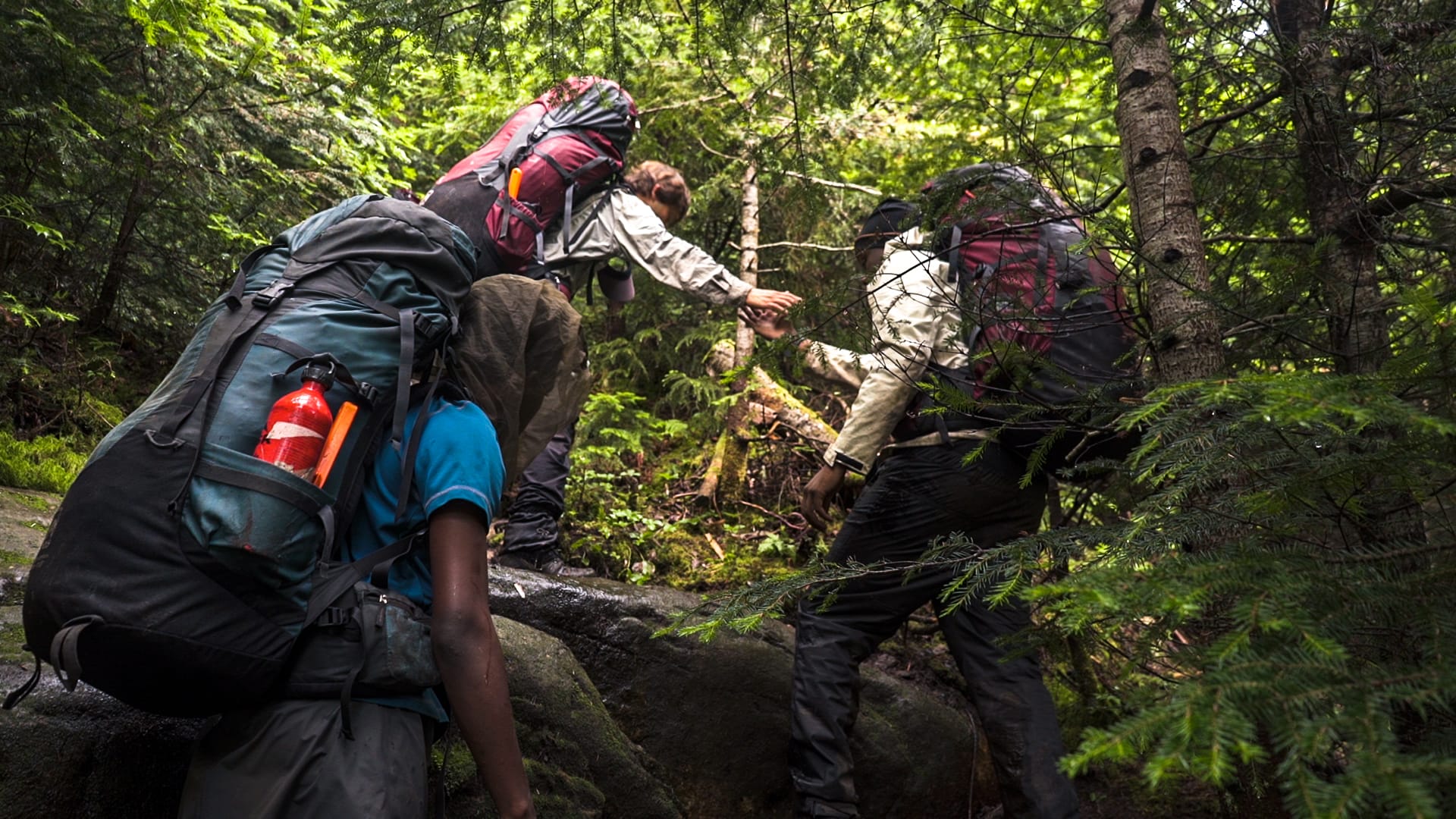
Before comparing specific programs, it helps to agree on what makes one worth choosing.
A summer program earns its price when your teen comes home with something they couldn’t have gotten at home. Not just a good story, but a skill, a shift in how they see themselves, or a capability they’ll carry for years.
- Real stakes and real feedback: unlike a classroom where a mistake gets marked on a paper, consequences in the best programs are immediate and felt — a poor decision affects the group, a failed attempt has to be retried, and those natural consequences create the kind of self-awareness no simulation can replicate.
- Students do the work: the best programs put learning in the hands of participants, so when your teen leads a discussion, troubleshoots a problem under pressure, or takes ownership of an outcome, they’re building competence, not just watching someone else solve it.
- Progressive challenge: because growth accumulates through repeated cycles of difficulty, failure, recovery, and feedback. Programs where each week builds on the last produce more durable outcomes than any one-time intensive.
- Real community: living and working alongside people they’ve just met builds an underrated skill, the ability to function well in groups they didn’t choose, which is most of adult life. Everything else — location, academic focus, duration, cost — matters only once you’ve confirmed a program is built this way.
| Factor | What to Ask | Why It Matters |
| Duration | How many days or weeks? | Programs under 7 days rarely produce lasting change. 3–4 weeks is where the deepest shifts happen. |
| Instructor ratio | Students per instructor? | 4:1 to 6:1 for outdoor programs. Under 15:1 for academics. Lower ratios mean more feedback and safer environments. |
| Instructor quality | Training, certifications, average tenure? | Career educators vs. seasonal hires produce fundamentally different experiences. |
| Student agency | Who makes decisions each day? | Programs where teens plan, navigate, and lead build competence. Programs where adults manage everything build compliance. |
| Progressive challenge | Does difficulty increase over time? | Week three should demand more than week one — not physically harder for its own sake, but more responsibility and autonomy. |
| Unplugged time | What role does technology play? | Extended time without phones forces engagement, reflection, and the kind of boredom that becomes creativity. |
| Financial aid | Need-based scholarships available? | Programs committed to accessibility offer real aid. NOLS and many university programs provide need-based support. |
| Safety record | Accreditations, incident history, protocols? | Look for AEE accreditation for experiential programs. Ask directly about emergency protocols. Credible programs answer transparently. |
| Alumni outcomes | What do participants say 1–5 years later? | Ask for alumni contacts — not curated testimonials. The most telling measure is how teens describe the experience with distance. |
Summer Programs by Age: What Readiness Looks Like
Your teen’s age matters less than their readiness, but general patterns hold.
Ages 14–15 (Rising Sophomores)
This is often a first experience with real independence. Shorter programs that are one to three weeks tend to work best. Look for strong mentorship, foundational skill-building, and a culture that supports beginners. The goal at this stage is a positive experience of independence that makes your teen want more.
NOLS offers 14-day Teen Expeditions specifically designed for this age group, with no prior outdoor experience required. Programs with strong instructor ratios (4:1 or 5:1) and built-in support for first-timers are especially important at this stage.
Ages 15–16 (Rising Juniors)
Juniors are ready for more autonomy, longer durations, and genuine leadership roles. This is the summer when many families invest in something substantive. Programs that offer certifications, documented skill development, or leadership positions carry weight, not because of the credential itself, but because they demonstrate initiative.
Ages 16–17 (Rising Seniors)
The summer before senior year is the last window for an extended experience before college. Three- to four-week programs at this stage build the self-reliance that translates directly into college readiness. Some teens use this summer to preview a gap year. Others use it to solidify what they want from the next four years.
NOLS 30-day expeditions are designed for this level of readiness. By the final week, students are planning routes, leading the group, and making decisions with minimal instructor intervention — the kind of autonomy that prepares them for what comes next.
Which Programs Strengthen My Teen’s Resume?
This is on most parents’ minds, so here is the direct answer: admissions officers are experienced readers. They recognize the difference between a summer that genuinely shaped a teenager and one chosen to pad a resume.
What stands out in an application is not the program name. It is depth.
A student who spent three weeks navigating backcountry terrain, helping to lead a group through real decisions, and managing discomfort — and who can articulate what that experience taught them — is more compelling than a student who attended a prestigious two-week program and lists it as a line item.
Will your teen be able to explain what they learned, not just where they went? Programs with genuine challenge create stories worth telling.
The most undervalued factor in college readiness is not academic preparation. It is the ability to handle uncertainty, discomfort, and interpersonal complexity — skills that come from experiences where the outcome was not guaranteed.
Admissions officers at selective universities have said as much publicly: they want students who have been tested, not just trained. A summer spent doing something genuinely hard and growing through it provides exactly that evidence.
Financial Planning for Summer Programs
Cost varies significantly, and financial aid is more available than most families realize.
| Program Type | Typical Cost | Financial Aid Common? |
| Academic / Pre-College | $2,000–$8,000+ | Yes — most universities offer need-based aid |
| Wilderness / Outdoor | $3,000–$6,000 | Yes — NOLS financial aid covers substantial portions |
| Service / Volunteer | $3,000–$6,000 | Varies by organization |
| Travel / Cultural | $4,000–$10,000+ | Less common; some scholarships exist |
| STEM / Specialty | $1,500–$7,000 | Yes — many offer merit and need-based aid |
| Arts / Sports | $500–$5,000+ | Varies widely |
The value calculation is not cost divided by days. It is cost divided by lasting impact. A program that changes how your teen handles adversity, that gives them a peer network of people who challenged and supported them, that they reference in a college essay two years later — that delivers a return no vacation can match.
Always ask about financial aid before ruling a program out on cost. Many families qualify for more support than they expect.
How NOLS Teen Expeditions Are Different
NOLS Teen Expeditions are not camps, tours, or recreation programs. They are wilderness education courses that happen to take place in some of the most spectacular landscapes on earth.
Here is the distinction that matters most: your teen will be doing the work.
On a NOLS expedition, students navigate. Students make camp. Students cook. Students lead the group when it’s their turn to lead. NOLS instructors teach skills, model judgment, and provide feedback—but they don’t carry anyone’s weight, literally or figuratively. This is by design. Competence is built by doing, not by watching.
NOLS has been developing this curriculum for 60 years. The Expedition Behavior framework—which teaches leadership as a set of learnable skills including communication, judgment, tolerance, self-awareness, and accountability—has been refined through thousands of courses and hundreds of thousands of students.
Teen Expedition courses run 14–28 days across some of the most compelling terrain on the planet — mountains, deserts, canyons, coastlines, and open ocean, in locations across the United States and internationally. Most courses are designed for students with no prior wilderness experience, with foundational skills being taught in the first few days and gradually adding on more technical skills. The application process is straightforward and NOLS advisors work with families to find the right fit.
A note for parents: NOLS understands that sending a teenager into a remote wilderness environment for two to four weeks involves a significant leap of trust. NOLS takes that seriously. Every expedition instructor holds current Wilderness First Responder certification and years of prior experience. NOLS risk management protocols are among the most developed in outdoor education. Over the course of 60 years, NOLS has been bringing students home changed for the better.
What Your Teen Will Learn on a NOLS Adventure
A NOLS Teen Expedition develops skills across three areas, which all reinforce each other.
Technical wilderness skills. Navigation by map and compass, backcountry camping and Leave No Trace practices, wilderness cooking and nutrition, weather assessment, travel in varied terrain. These are real skills with real applications, and your teen will earn them by practice, not by watching a video.
Leadership and interpersonal skills. Expedition Behavior is the NOLS framework for working effectively with others under challenging conditions. Students learn to communicate clearly, manage conflict productively, contribute to the group, and lead from the front and from within. These skills transfer directly to every environment your teen will inhabit for the rest of their life: teams, schools, organizations, families.
Self-knowledge. Twenty-eight days without a phone, without the social scaffolding of their regular life, surrounded by peers they just met and a wilderness that doesn’t care about their social status. That environment produces a kind of self-knowledge that is difficult to manufacture any other way. Parents regularly describe it as watching their teen grow up. Students describe it as figuring out what they’re actually made of.
Questions to Ask Before Signing Up
A program that’s right for one teen may be wrong for another. These questions help narrow the field.
What is your teen’s growth edge right now? A teen who is academically strong but struggles with independence needs a different program than a teen who is already self-sufficient but hasn’t found a challenge to match their capability. Match the program to the gap, not to what your teen is already good at.
Does your teen want this, or do you? Programs work better when teens are genuine participants in the decision. If your teen is resistant, involving them in the research process, showing them what the program actually involves rather than just the marketing language, makes a significant difference. NOLS has found that even initially skeptical teens become some of the most engaged students in the field.
What kind of environment produces growth for your teen? Some teens thrive with academic structure and intellectual challenge. Some need physical challenge and time in nature. Some need exposure to a different culture or community. Know your teen well enough to match the environment to what they actually need.
What is a reasonable budget? Quality programs exist across a wide range of price points. For wilderness programs, cost reflects instructor quality, safety infrastructure, location, and group size. If cost is a barrier, research financial aid before ruling a program out. NOLS offers need-based scholarships, and many other strong programs do as well.
How much time is available? Program length is a real consideration. A one-week program can be a meaningful experience but rarely produces deep change. Three weeks tends to be the threshold where teens report the most significant shifts in confidence and capability. Four weeks is often transformative. If the summer schedule allows, longer is generally better.
Frequently Asked Questions
Do teens need prior outdoor experience to attend a NOLS expedition?
No. NOLS Teen Expeditions are designed for students ages 14-17 with no prior wilderness experience. NOLS instructors teach everything from the ground up. The one requirement is willingness to learn and push through challenge.
How does NOLS handle safety on Teen Expeditions?
All NOLS expedition instructors hold current Wilderness First Responder and CPR certifications. Many are also certified Emergency Medical Technicians (EMTs). NOLS has one of the most developed risk management frameworks in outdoor education, and NOLS publishes its risk management data publicly. Risk is manageable, and managing it well is itself part of what NOLS teaches.
How long are NOLS Teen Expedition courses?
Teen courses are varied, from 1-2 week expeditions to month-long expeditions. NOLS recommends the whatever length course your teen feels comfortable with and that their schedule allows. Generally, longer courses produce more significant outcomes because they allow for deeper skill development and more complete transformation in group dynamics.
Is NOLS wilderness survival training?
No. Survival training is a small component of a much larger curriculum. NOLS courses focus on leadership development, technical wilderness skills, environmental stewardship, and Expedition Behavior—the interpersonal and self-management framework that transfers to life beyond the trail.
What do parents say after their teens complete a NOLS expedition?
A parent of a recent NOLS Teen Expedition graduate put it this way: “I thought the camping and hiking would be the experience—not the learning, growth, and self-awareness along the way of what type of leader he is and where he can improve.”
That’s the NOLS experience. The wilderness is the classroom. Leadership is the curriculum. Your teen is the student.
Can teens earn academic credit?
High school credit—and college credit for those who qualify—is available on most NOLS teen summer courses, making them great summer programs for high school students. Ask your teen’s school about policies for recognizing expedition-based credit, and visit the NOLS academic credit page for more information.
What does a NOLS Teen Expedition cost?
Teen Expedition tuition ranges from $3,000 to $6,000 depending on course length, location, and format. Need-based financial aid is available. Visit the NOLS financial aid page to learn more about scholarship eligibility and the application process.
Ready to Find the Right Course?
The right summer program for your teen is the one that challenges them in the area where they most need to grow, and delivers that challenge within a structure they can trust.
If your teen is ready to trade screen time for summit time, to learn by doing rather than by observing, and to return home with long-lasting skills and self-awareness, explore our NOLS teen expeditions page to see current courses. Browse by location, length, and dates, and talk to a NOLS advisor who can help you find the right fit.
Topics: