Leadership Programs for High School Students: What Parents Need to Know
Your teenager stands at a pivotal moment. The skills they develop now—how they handle challenges, work with others, and step up when it matters—will shape their path through college, careers, and life. But here’s what many parents discover too late: traditional classroom settings rarely build the kind of leadership that matters in the real world.
Leadership programs for high school students offer something different. They create environments where your teen isn’t just learning about leadership—they’re living it.
Why High School Is the Critical Time for Leadership Development
The high school years represent a unique window for growth. Your teen’s brain is still developing the neural pathways that shape decision-making, risk assessment, and interpersonal skills. At the same time, they’re beginning to understand who they are and who they want to become.
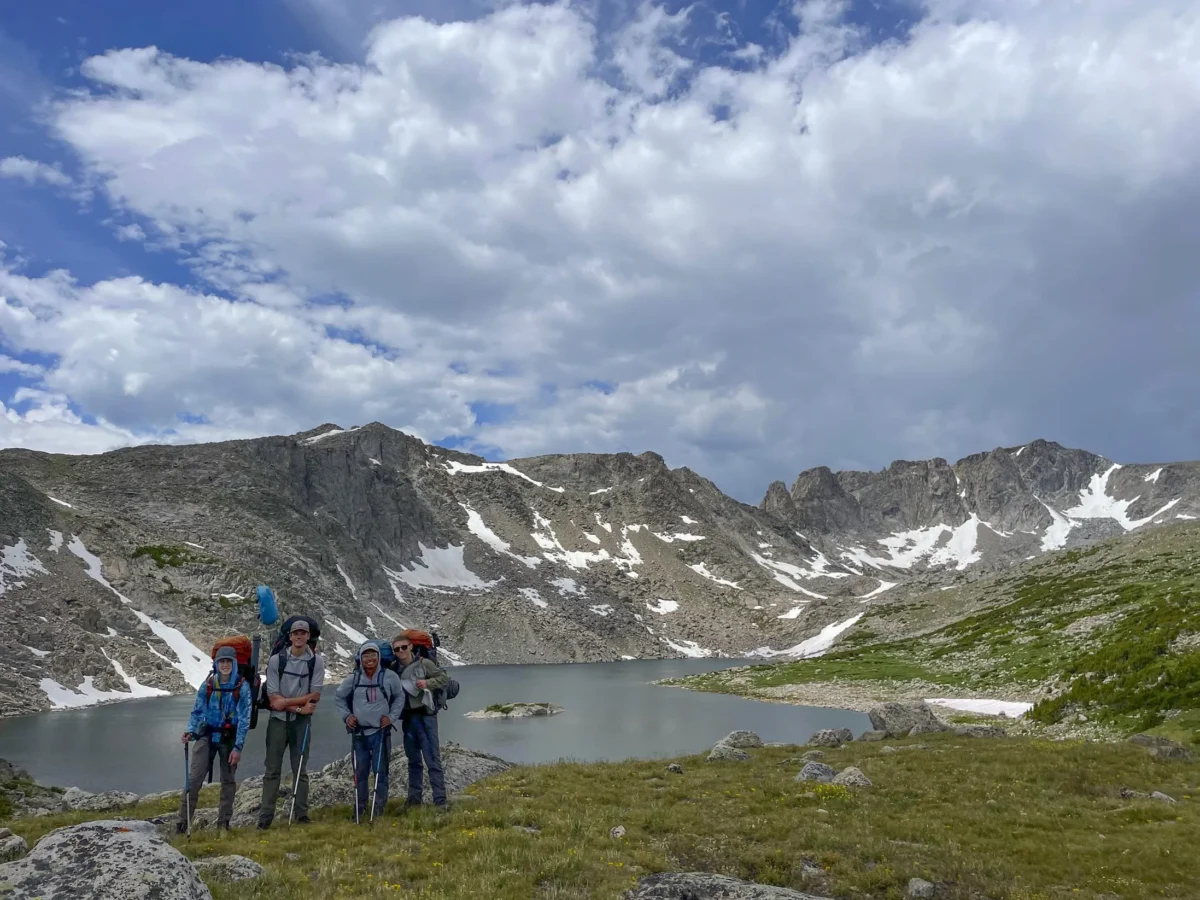
This combination creates extraordinary potential for transformation.
Research consistently shows that students who participate in experiential leadership programs during high school demonstrate:
- Stronger problem-solving abilities
- Greater resilience when facing setbacks
- Improved communication and teamwork skills
- Higher rates of college completion
- More successful career trajectories
The question isn’t whether your teen would benefit from leadership development. It’s how to find a program that delivers genuine, lasting growth.
What Makes a Leadership Program Truly Effective?
Not all leadership programs are created equal. Some offer surface-level experiences—a few team-building exercises, a motivational speaker, and a certificate for the college application. Others fundamentally change how young people see themselves and their capabilities.
The difference comes down to three factors:
1. Real Challenges with Real Consequences
True leadership emerges when the stakes matter. Programs that place students in challenging environments—where their decisions directly affect outcomes—accelerate growth in ways that simulated experiences cannot match.
This is why wilderness-based leadership programs consistently produce stronger results than classroom alternatives. When a group needs to navigate unfamiliar terrain, manage limited resources, or adapt to unexpected conditions, leadership isn’t theoretical. It’s essential.
2. Skilled Instruction and Mentorship
Challenge without guidance produces struggle, not growth. The best programs pair demanding experiences with expert instruction from educators who understand both the technical skills and the developmental journey.
Look for programs staffed by experienced educators—not just activity facilitators—who can help your teen process their experiences and translate insights into lasting change.
3. Sufficient Duration for Transformation
Weekend workshops and week-long camps have their place, but deep leadership development requires time. Research on experiential education consistently shows that programs of two weeks or longer produce significantly greater and more lasting outcomes than shorter alternatives.
This extended duration allows students to move beyond initial discomfort, develop genuine competence, and integrate new behaviors into their identity.
Types of Leadership Programs for High School Students
Summer Leadership Programs
Summer programs offer the extended immersion that produces real transformation without disrupting the school year. The best options range from two to eight weeks, providing enough time for meaningful growth while fitting within summer break. These programs create dedicated space for students to step away from daily routines and focus entirely on their development.
Summer programs work well for students who:
- Have flexible summer schedules and can commit to extended time away from home
- Thrive in immersive environments where they can focus on learning, growth, and adventure
- Want deep transformation rather than surface-level skill development
- Benefit from extended practice applying new leadership skills in real-time
2-Week-Long Summer Programs for Teens at NOLS:
- Idaho Backpacking Adventure for Girls 14-15 – 2 Weeks
- Idaho Backpacking Adventure for Teens 14-15 – 2 Weeks
- Salmon River Rafting Adventure for Teens 14-15 – 2 Weeks
- Salmon River Whitewater Rafting Adventure for Teens 14-15 – 2 Weeks
- Wyoming Backpacking Adventure for LGBTQ+ Teens 14-15 – 2 Weeks
- Wyoming Backpacking Adventure for Teens 14-15 – 2 Weeks
- Utah Whitewater Rafting Adventure for Teens 14-15 – 12 Days
- Utah Whitewater River Adventure for Teens 14-15 – 16 Days
3 to 4-Week-Long Summer Programs for Teens at NOLS:
- Adirondack Backpacking and Canoeing Adventure for Teens 14-15 – 21 Days
- Salmon River Backpacking and Rafting Adventure for Teens 14-15 – 4 Weeks
- Wyoming Backpacking Adventure for Girls 14-15 – 3 Weeks
- Wyoming Backpacking Adventure for Teens 14-15 – 3 Weeks
- Wyoming Backpacking Adventure for Teens 14-15 – 30 Days
Semester-Long Leadership Trips and Expeditions
Leadership trips for high school students combine travel and adventure with a structured leadership curriculum. These programs remove teens from familiar environments and comfort zones, creating conditions for accelerated growth. The progression from challenge to mastery happens naturally as students navigate unfamiliar terrain and work closely with peers over weeks or months.
Semester-long expeditions work well for students who:
- Seek adventure-based learning that connects physical challenges to personal development
- Want significant time to practice leadership in varied, real-world situations
- Learn best experientially through doing rather than classroom instruction
- Are ready for transformative experiences that fundamentally shift their perspective
Teen Semester Programs at NOLS:
- Spring Semester in Patagonia or Fall Semester in Patagonia
- Spring Semester in India or Fall Semester in India
- Spring Semester in East Africa or Fall Semester in East Africa
- Spring Semester in Baja or Fall Semester in Baja
- Spring Semester in New Zealand or Fall Semester in New Zealand
Spring Break Programs
Spring break programs concentrate leadership development into one to two weeks during school breaks. These programs offer intensive learning experiences that bridge the gap between brief workshops and full summer immersions, providing meaningful growth without requiring students to sacrifice their entire summer.
Spring break programs work well for students who:
- Have limited summer availability due to jobs, family commitments, or other obligations
- Want intensive experiences without the time commitment of longer programs
- Prefer to test expedition-style learning before committing to a full summer or semester
- Need school-break timing that aligns with their academic calendar
The Wilderness Advantage: Why Nature-Based Programs Excel
Among all approaches to youth leadership development, wilderness-based programs consistently produce the strongest, most lasting results. This isn’t a coincidence—it’s the nature of how humans learn and grow.
Authentic Challenges
The wilderness presents genuine challenges that cannot be simplified or shortcut. Weather doesn’t care about your schedule. Rivers don’t negotiate. Mountains don’t offer participation trophies. This authenticity creates learning experiences that artificial environments cannot replicate.
Removal from Distractions
Away from phones, social media, and the constant stimulation of modern life, students can focus on what matters: their own development and their relationships with others. This digital detox alone produces measurable benefits for attention, sleep, and emotional regulation.
Natural Consequences
In wilderness settings, actions have immediate, tangible consequences. Pack poorly, and you carry unnecessary weight. Navigate carelessly, and you add miles to your route. These natural feedback loops accelerate learning and reinforce accountability in ways that feel fair rather than punitive.
Community and Interdependence
Wilderness travel requires genuine cooperation. Students quickly discover that their success depends on working effectively with others—and that their contributions matter to the group’s wellbeing. This creates the conditions for developing what educators call “expedition behavior”: the interpersonal skills that make teams function effectively.
How to Choose the Best Leadership Program for Your Teen
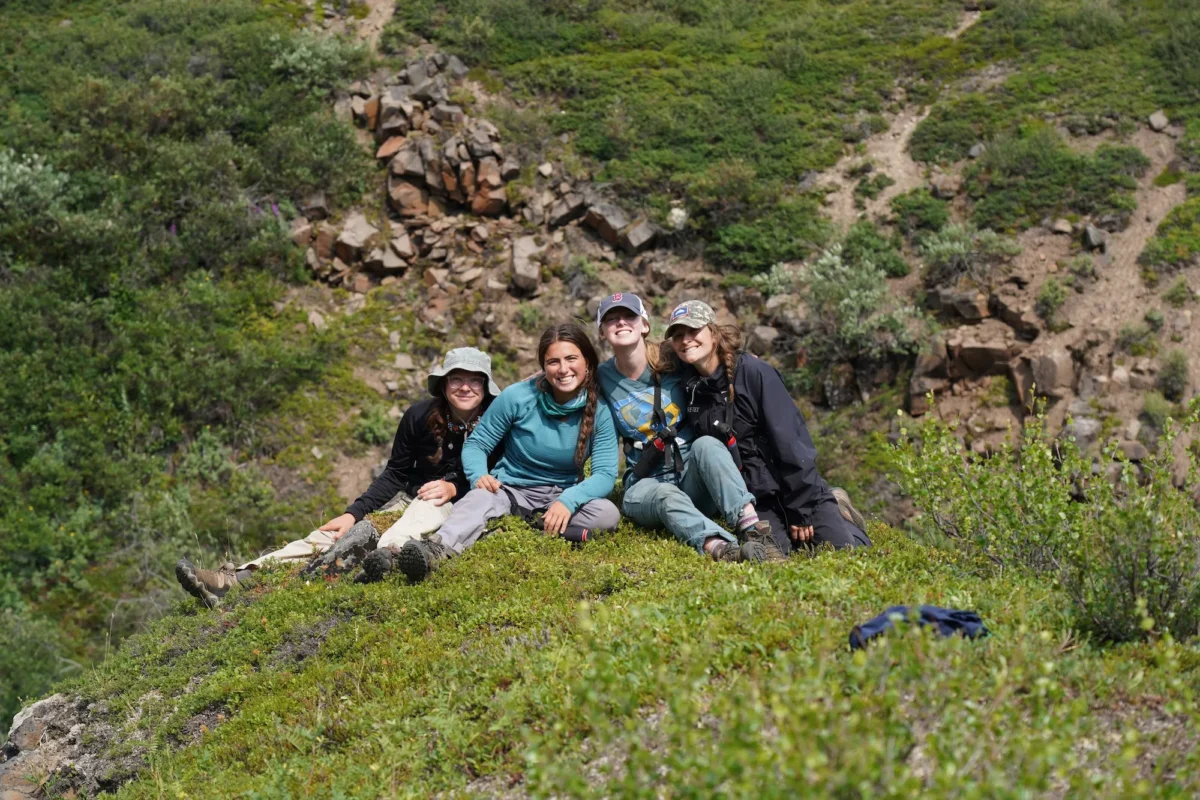
With hundreds of programs available, finding the right fit requires careful evaluation. Here’s how you can approach the decision:
Match the Program to Your Teen
Consider your teen’s interests, personality, and growth areas. An introverted student might thrive in a small-group wilderness expedition where relationships develop naturally over time. A teen who struggles with organization might benefit from a program with clear structure and scaffolded responsibility.
Be honest about your teen’s readiness for challenge. The best programs push students beyond their comfort zones—but the right amount of challenge varies by individual.
Evaluate the Organization
Ask tough questions:
- How long has the organization been operating?
- What are instructor qualifications and training requirements?
- What is the organization’s safety record and risk management approach?
- Can they provide references from past participants and families?
- What accreditations or professional affiliations does the organization hold?
Consider Outcomes, Not Just Activities
Impressive-sounding activities don’t guarantee learning. Focus on what students actually gain:
- What specific skills will my teen develop?
- How does the program assess and support individual growth?
- What do alumni say about the program’s lasting impact?
- How does the program connect experiences to real-world application?
Think Beyond the Application
Yes, leadership programs enhance college applications. But the most valuable outcomes aren’t bullet points on a resume—they’re changes in how your teen approaches challenges, relates to others, and sees their own potential.
The best programs produce students who are genuinely more capable, not just students who appear more capable on paper.
The Investment in Your Teen’s Future
Leadership programs for high school students represent a significant investment of time and resources. But the returns—in confidence, capability, and character—compound throughout life.
Students who develop strong leadership skills in high school enter college ready to take on meaningful roles. They navigate career challenges with resilience. They contribute to their communities with confidence and competence.
The question isn’t whether your teen can afford this investment. It’s whether they can afford to miss it.
Ready to explore leadership programs that transform high school students into capable, confident leaders? Discover NOLS expedition courses designed specifically for teens, or speak with an admissions advisor about finding the right fit for your family.
Topics: