Case Study: Non-Freezing Cold Injury on a Canoe Trip

The Setting
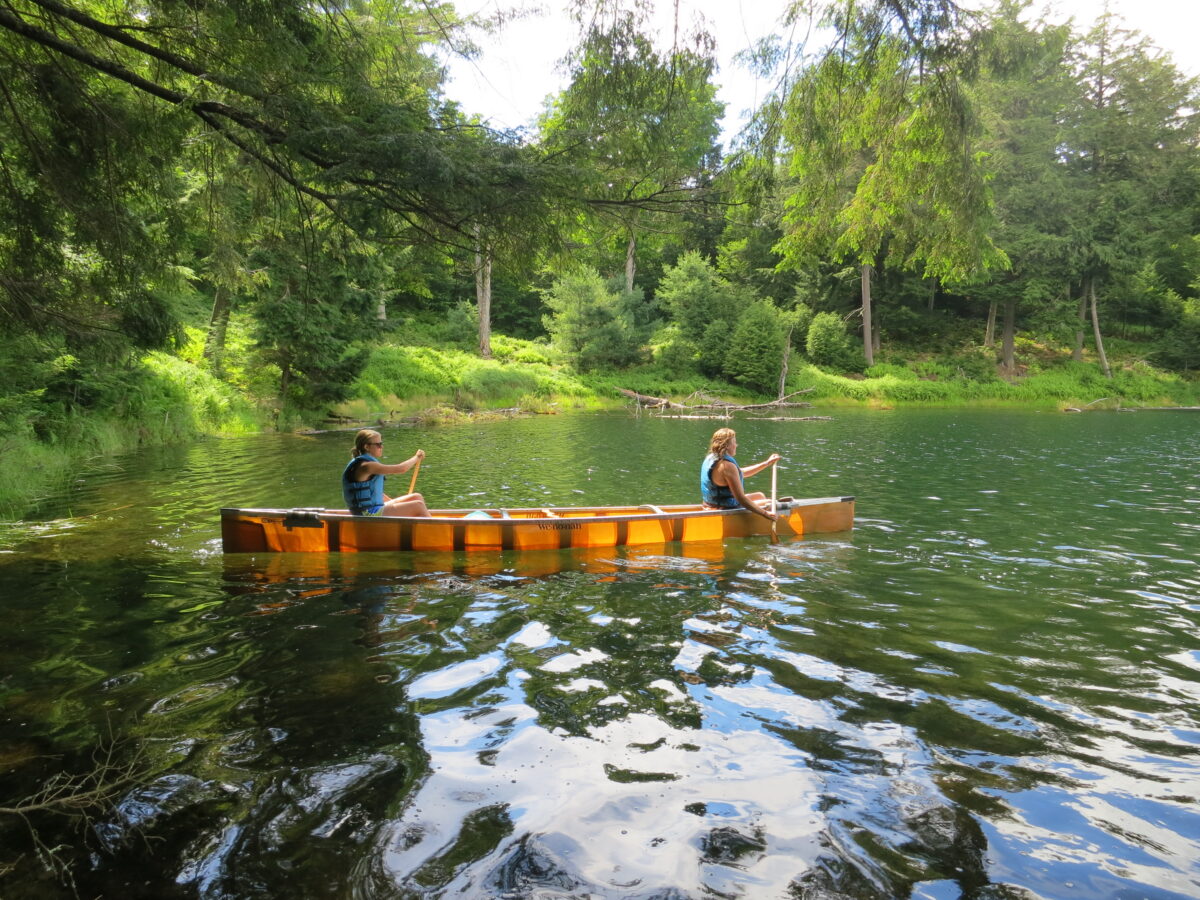
You are leading an early-season canoe trip in the Boundary Waters Canoe Area Wilderness. It’s mid-May, and while the days are mild, the water is still very cold. Travel involves frequent portaging and wading in and out of the canoe to load and unload gear. Despite good effort, everyone’s feet have been wet most of the day.
On day three, after a long travel day with multiple portages, one of your group members, a 19-year-old male named Jordan, mentions that his feet feel “weird”—numb, tingly, and a little painful. Later that evening in camp, he removes his boots and socks, and you notice his feet look pale and slightly swollen.
You are the group’s designated Wilderness First Responder (WFR). You decide to perform a patient assessment.
SOAP Report
Subjective
The patient is a 19-year-old male whose chief complaint is numbness, tingling, and discomfort in both feet. Symptoms began gradually over the course of the day and have persisted into the evening. The patient reports prolonged exposure to cold, wet conditions throughout the day. He denies any specific injury or trauma.
The patient is alert and oriented and able to walk, though he reports decreased sensation in his feet.
Objective:
Patient Exam:
Patient is sitting in camp with boots and socks removed. Both feet appear pale, cool to the touch, and mildly swollen. Skin is wrinkled and macerated. Capillary refill is slightly delayed. Sensation is decreased but present. The patient reports tingling and discomfort when rewarming begins. No blisters, open wounds, or signs of frostbite noted. Distal CSM intact in all extremities.
Vital Signs
| TIME | 18:30 |
| LOR | A+Ox4 |
| HR | 72, strong, regular |
| RR | 16, regular, easy |
| SCTM | Pink, warm, dry (core) |
| B.P. | radial pulse present |
| Pupils | PERRL |
| T° | Not taken |
History
| Symptoms: | Numbness, tingling, mild pain, and swelling in both feet. |
| Allergies: | No known allergies. |
| Medications: | Denies any medications, prescription or over-the-counter. |
| Pertinent Hx: | Patient denies any history of cold injuries. |
| Last in/out: | Patient has been eating and hydrating adequately throughout the day. Normal urine output. No vomiting or diarrhea. |
| Events: | Patient has had wet feet for most of the day due to repeated water exposure during paddling and portaging in cold conditions. |
What is your Assessment and Plan? Think about this before moving to the next page.
Assessment
– Likely non-freezing cold injury (NFCI), early stage.
– Prolonged cold and wet exposure consistent with mechanism.
– No signs of frostbite or tissue freezing.
– Risk of progression if exposure continues.
Plan
- Removed wet boots and socks; gently dried feet.
- Rewarmed feet gradually using dry socks and body heat; avoided rapid or aggressive rewarming.
- Elevated feet to reduce swelling.
- Advised patient to avoid walking barefoot and to protect feet from further exposure.
- Encouraged hydration and adequate caloric intake.
- Planned for aggressive prevention moving forward:
- Rotate into dry socks whenever possible
- Minimize time standing in cold water
- Prioritize foot care during breaks and in camp
- Monitored for worsening symptoms, including increased pain, swelling, color changes, or loss of sensation.
- Adjusted travel plan to reduce cold/wet exposure the following day.
Anticipated Problems:
- Progression of tissue damage with continued exposure
- Increased pain during rewarming
- Decreased mobility affecting travel
- Risk of infection if skin integrity breaks down
What Happened?
That evening, Jordan’s feet slowly improved with drying and gradual rewarming, though he reported increased tingling and discomfort as sensation returned. The group prioritized foot care the next morning, delaying departure to ensure everyone started the day warm and dry.
Travel was adjusted to minimize prolonged standing in water, and the group became more intentional about changing into dry socks during breaks and at camp. Jordan’s symptoms improved over the next 24–48 hours, and no further tissue damage occurred.
The group successfully completed the trip with increased awareness of cold and wet exposure risks.
Comments
Non-freezing cold injuries are common in environments where cold and wet conditions persist, even when temperatures are above freezing. Unlike frostbite, these injuries develop over time and can be easy to overlook in the early stages. Numbness, tingling, pale or swollen skin, and prolonged wet exposure are key warning signs.
Prevention is critical. Keeping feet dry, changing socks regularly, managing exposure time, and prioritizing foot care in camp can make a significant difference. Once symptoms begin, early intervention—drying, gentle rewarming, and reducing further exposure—can prevent more serious injury. Non-freezing cold injuries can take time to heal, early recognition can help minimize the impact. Monitoring trends over time is essential. Subtle changes can signal worsening injury, and continuing exposure without intervention can lead to more significant tissue damage and long-term complications. Having a reliable reference in the field can help reinforce recognition and treatment of cold injuries when conditions are challenging. Carrying resources like the NOLS Wilderness Medicine Field Guide allows you to review treatment principles and decision-making guidelines when you need them most.
Topics: Case Study, NOLS, Wilderness Medicine