Case Study: An Unexpected Illness on a Ski Trip
The Setting
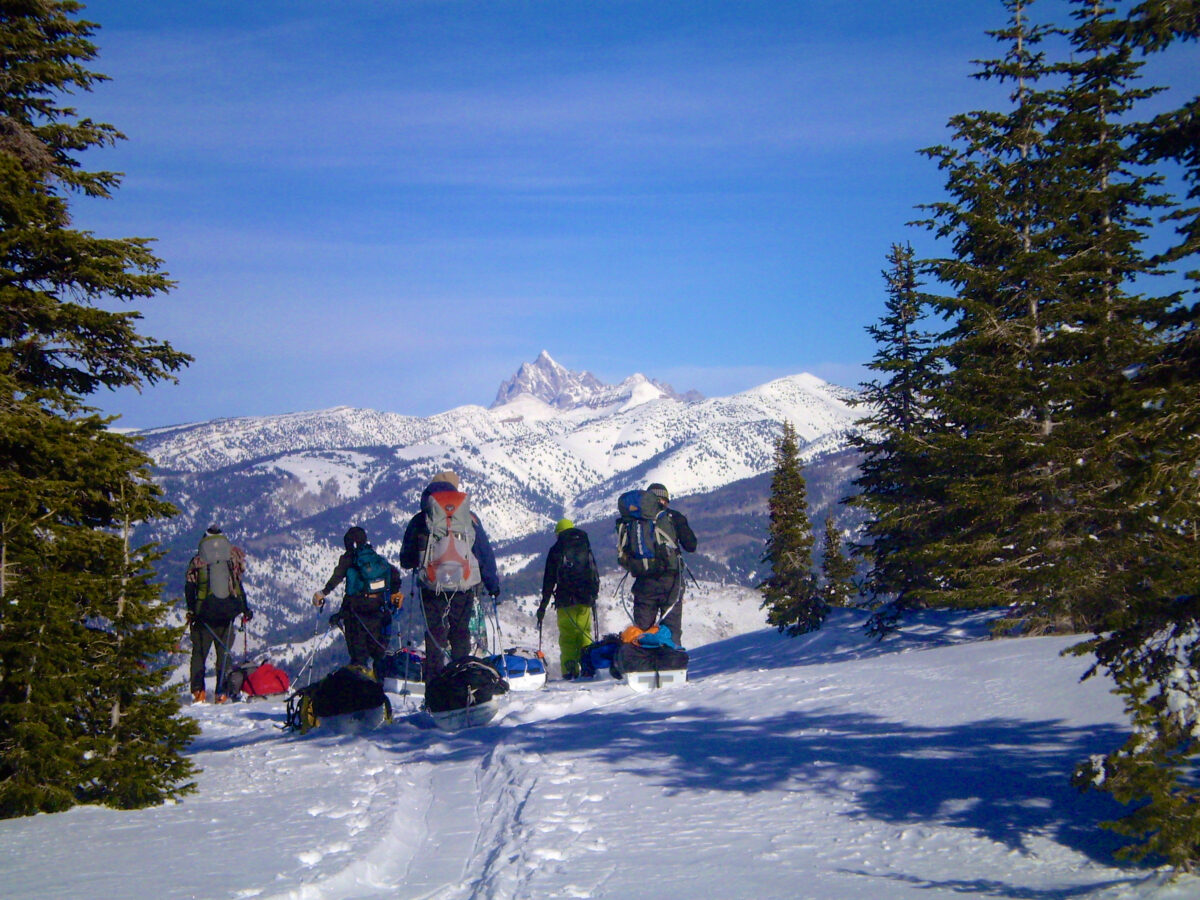
You’re on day 2 of a 4-day hut to hut ski trip in the 100 Mile Wilderness in Maine. The weather has been cold and crisp, and the snow has been steadily falling, creating near perfect conditions. You are working as a cross-country ski guide and have five participants on your trip. You are also the only person with wilderness medicine training, having received your WFR last year.
Throughout the second travel day, you notice that one participant, Kenzie, has been frequently leaving the group to go to the bathroom. As the day progresses, this seems to increase in frequency. Not wanting to embarrass her, you decide to approach her once everyone is warm and dry in the hut that evening.
You pull Kenzie aside and ask if she’s feeling okay. She suddenly turns red, embarrassed that you noticed the number of times she left to go to the bathroom. Kenzie then begins to tell you about the challenges she has had throughout the day. Based on this information, you decide to do a full patient assessment.
SOAP Report
Subjective
The patient is a 32 year old female whose chief complaint is, “it really hurts to pee.” The symptoms began this morning. There is no mechanism of injury and the patient is currently A+Ox4.
Objective
Patient Exam: The patient is sitting on a bench in the hut. The physical exam does not reveal any injuries or abnormalities. Her CSMs are intact in all four extremities.
Vital Signs
| TIME | 1830 |
| LOR | A+Ox4 |
| HR | 80, strong, regular |
| RR | 18, regular, easy |
| SCTM | pink, warm, dry |
| B.P. | radial pulse present |
| Pupils | PERRL |
| T° | 98.9℉ |
History
| Symptoms: | Increased pain, frequency, and burning while urinating. The patient also complains of feeling more tired than normal. |
| Allergies: | The patient is allergic to eggs but has not been exposed today. |
| Medications: | Albuterol for asthma. The patient has not needed to use her inhaler today. |
| Pertinent Hx: | The patient has a history of asthma. |
| Last in/out: | The patient had a normal breakfast and lunch, as well as adequate snacks and 3 liters of water throughout the day. She has lost count of how many times she has urinated. The patient had a bowel movement this morning that was unremarkable and denies vomiting. |
| Events: | The patient has been having increased pain and frequency when urinating throughout the day. The pain started this morning with her first urination and has continued throughout the day. |
What is your Assessment and Plan? Think about this before moving to the next page.
Assessment
- Possible urinary tract infection.
- Possible other medical conditions (ex: kidney stones, infections, etc)
Plan
- Encourage hydration, rest, and continued good hygiene.
- Consider evacuation if pain/discomfort increases or the patient develops pain/tenderness over the kidney region.
Anticipated Problems
- The continuous snow could make an evacuation difficult.
- We’re in the middle of our 4 day loop, so it’s equally long to turn around or keep moving forward.
- The first aid kid doesn’t have any urinary tract analgesics or antibiotics. If her symptoms don’t resolve quickly, we’ll likely need an evacuation.
Comments
- If you’re leading or participating in a wilderness trip, you will likely encounter people with medical problems involving their urinary and reproductive systems. These can range from simple to life threatening. As a trip leader, you should be prepared to talk about prevention, assessment, and treatment, as well as when someone needs to be evacuated.
- When assessing someone with a urinary or reproductive concern, choose a private setting whenever possible and include another person if the patient prefers. Approach the situation professionally and respectfully, keeping communication clear and factual. Avoid making assumptions, maintain confidentiality, and use appropriate discretion. If an examination is necessary, patients can often be guided to perform a self-exam when appropriate.
- Urinary tract infections (UTI) can happen in any part of the urinary system, including the bladder, kidneys, ureters and urethra. Most infections happen in the lower urinary tract (the bladder and urethra). Signs and symptoms include increased frequency and urgency in urination, a burning sensation while urinating, and pain. The urine might have a strong odor and could have pus and/or blood present. If the urinary tract infection has moved upward, the patient might complain of pain and tenderness in the kidney region and may have a fever.
- To treat a urinary tract infection, we can encourage the patient to hydrate and empty their bladder often. Keeping the perineal area clean and dry is also important. The use of antibiotics can clear up the infection and a urinary analgesic (like Pyridium) can help with pain management. Evacuation is recommended if a UTI doesn’t respond to treatment, or if the patient develops symptoms of a kidney infection.
What Happened?
After your conversation with Kenzie, she asked to see how she’s feeling in the morning before making any decisions. The next morning, Kenzie tells you she was up all night with discomfort and pain. She wants to go home and see a healthcare provider. You are able to arrange a snowmobile to pick up the participant at the current hut. She is at the local urgent care clinic by early afternoon. The next day, when you’re back in cell phone service, you have a text message from Kenzie saying she was diagnosed with a UTI. The doctor started her on a round of antibiotics and the urinary analgesic Pyridium, and she’s already feeling much better. Kenzie thanks you for your kind, thoughtful, and patient centered care.
Topics: Case Study, NOLS, Wilderness Medicine