Knee Injury While Cross-Country Skiing
The Setting
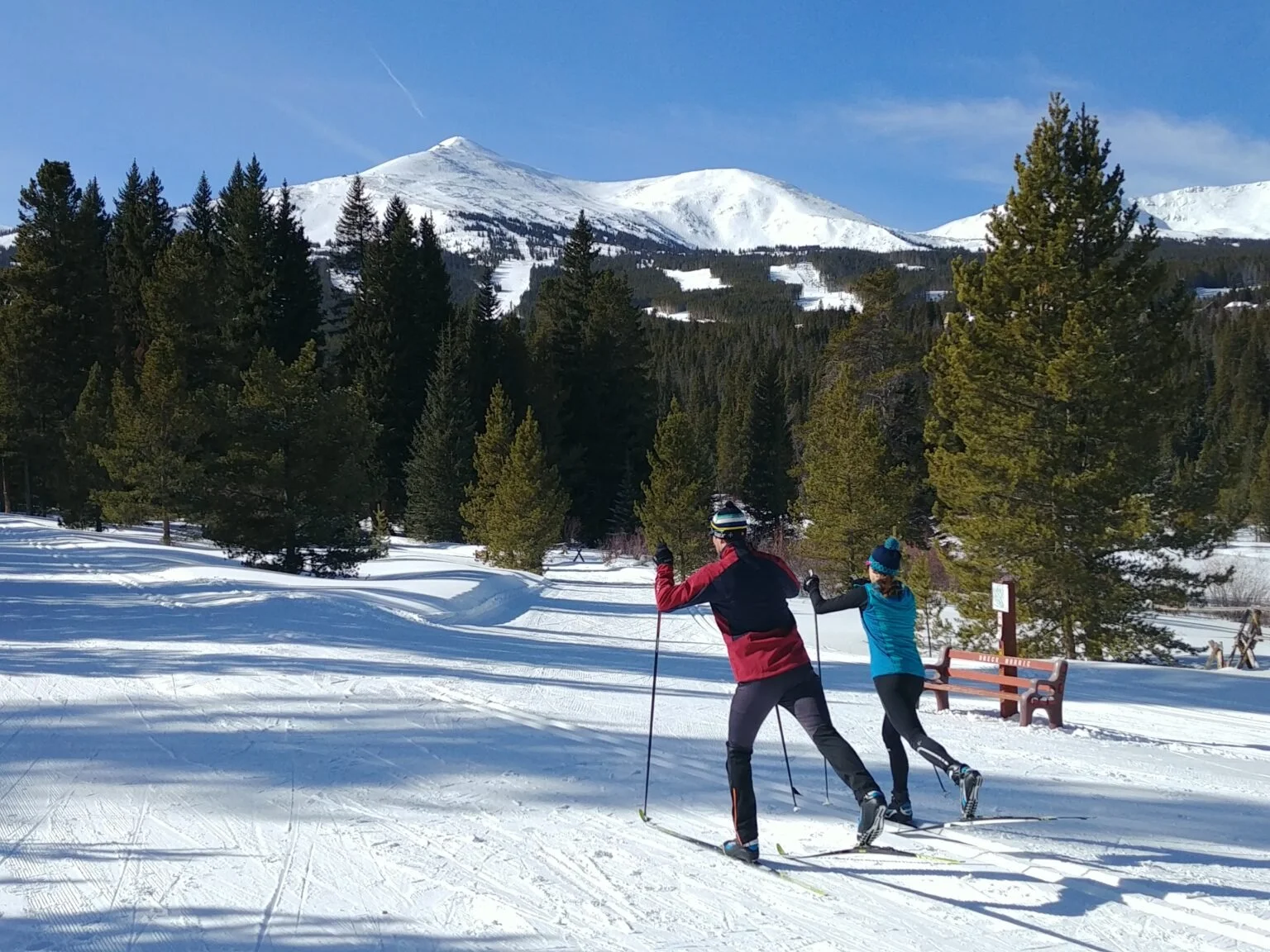
You are cross-country skiing with four of your friends on a beautiful December day. The sun is shining, the temperature is a balmy 25℉, and you’re enjoying feeling the wind against your cheeks as you ski. You are roughly 3 miles into your 6-mile loop. Your moment of enjoyment is broken when, out of the corner of your eye, you see one of your friends catch a ski edge, twist their knee, and collapse to the ground.
SOAP Report
Subjective
The patient is a 40-year-old female whose chief complaint is pain in the left knee. The mechanism of injury was a slow fall while cross-country skiing. The patient is currently A+Ox4.
Objective
Patient Exam: The patient was found sitting on the ground, holding onto her left knee. The patient exam reveals tenderness on the outside of the patella (kneecap). There is also pain with any motion. No other injuries were found. The patient did not lose responsiveness and at present, has good CSM x 4.
Vital Signs
| TIME | 1130 |
| LOR | A+Ox4 |
| HR | 98, strong, regular |
| RR | 20, regular, easy |
| SCTM | pink, warm, moist |
| B.P. | radial pulse present |
| Pupils | PERRL |
| T° | Not taken |
History
| Symptoms: | Pain in the left knee. |
| Allergies: | Patient states she is allergic to sulfa drugs. She has not been exposed. |
| Medications: | None |
| Pertinent Hx: | No relevant medical history |
| Last in/out: | 2 liters of water and 1 cup of coffee, eggs & toast for breakfast; patient states urination and defecation were normal for them. |
| Events: | Patient was cross-country skiing, turned awkwardly, and felt their knee collapse. |
What is your Assessment and Plan? Think about this before moving to the next page.
Assessment
- Patient may have a possible knee injury.
- Based on the mechanism of injury, it is unlikely that the patient has injured their spine.
Plan
- Assess for usability and see if the patient can bear weight on the left leg.
- We decided the injury is usable and we will build a knee brace.
- Walk or ski slowly towards the parking lot and bring the patient to the local clinic.
Anticipated Problems:
- Increasing pain leading to the patient being unable to use their left leg. This might make it more difficult to evacuate.
- Possible hypothermia due to the cold temperatures and insufficient layers.
Comments
Usable musculoskeletal injuries are one of the most common injuries we see on NOLS Expedition courses. They represent over 40% of all injuries on NOLS Courses. To determine whether to support or splint the injury, we need to complete a usability test.
Common signs and symptoms of musculoskeletal injuries include:
- Diffuse or specific pain
- Swelling and/or bruising
- Deformity
- Tenderness or point tenderness
- Sounds: snaps, pops, crepitus
- Altered circulation, sensation, and motion (CSM)
- Changes in range of motion
To treat usable musculoskeletal injuries, we should think about:
- Assessing the injury. We should check CSMs, look/ask/feel the injured site, and assess for usability.
- Manage pain with ice, elevation, compression, and consider pain medications.
- Support the injury
- Recheck CSMs.
What Happened?
Using the extra gear in your backpack and items in your first aid kit, you build a great knee brace for your friend. You are able to slowly make your way back to the parking lot. Once you arrive, you drive your friend to the local clinic where she is able to be evaluated by a medical professional. You are grateful that you have medical training and could provide help to your friend!
Topics: NOLS, Wilderness Medicine